Complete Air Fryer Cooking Times Guide: Perfect Results Every Time
Quick Answer
Most foods air-fry between 350°F and 400°F: French fries and chicken wings take about 15–25 minutes at 400°F, boneless chicken breast about 18–22 minutes at 375°F, bacon 8–10 minutes at 350°F, and salmon 7–10 minutes at 400°F. Always cook to a safe internal temperature rather than time alone — the USDA requires 165°F for poultry, 145°F for whole cuts of beef, pork and fish, and 160°F for ground meats. Air fryers preheat fast and circulate air up to about 400°F, so start checking 2–3 minutes early and shake the basket halfway; manufacturers cite roughly 75–85% less oil than deep frying.
Getting the perfect crispy texture and even cooking with your air fryer comes down to using the right time and temperature combinations. This comprehensive guide covers cooking times for over 50 common foods, plus expert tips to help you achieve restaurant-quality results at home.
Air Fryer Basics: Time and Temperature Fundamentals
Air fryers work by circulating superheated air around food at high speed, creating a convection effect that cooks food faster than conventional ovens. Most air fryer cooking happens between 300°F and 400°F, with cooking times reduced by approximately 20-25% compared to traditional oven cooking.
Key Principles for Success
- Don't overcrowd: Leave space between food items for air circulation
- Shake or flip halfway: Most foods benefit from being turned once during cooking
- Preheat when needed: Dense foods like chicken benefit from a 2-3 minute preheat
- Use a meat thermometer: Internal temperatures matter more than cooking times
- Adjust for size: Thicker cuts need more time, smaller pieces cook faster
Complete Air Fryer Cooking Time Chart
Poultry
| Food Item | Temperature | Time | Notes |
|---|---|---|---|
| Chicken Breast (6-8 oz) | 375°F | 18-22 minutes | Internal temp 165°F, flip halfway |
| Chicken Thighs (bone-in) | 380°F | 22-25 minutes | Internal temp 165°F |
| Chicken Wings | 380°F | 12-15 minutes | Shake basket every 5 minutes |
| Chicken Drumsticks | 380°F | 20-25 minutes | Turn once halfway through |
| Whole Chicken (3-4 lbs) | 360°F | 50-60 minutes | Flip at 30 minutes |
| Turkey Breast (2-3 lbs) | 350°F | 45-55 minutes | Internal temp 165°F |
Beef and Pork
| Food Item | Temperature | Time | Notes |
|---|---|---|---|
| Steak (1-inch thick) | 400°F | 8-12 minutes | Medium-rare: 8 min, Well: 12 min |
| Ground Beef Patties | 375°F | 8-12 minutes | Internal temp 160°F |
| Pork Chops (1-inch) | 380°F | 12-15 minutes | Internal temp 145°F |
| Pork Tenderloin | 400°F | 15-20 minutes | Internal temp 145°F |
| Baby Back Ribs | 380°F | 25-30 minutes | Season and flip once |
| Bacon Strips | 350°F | 8-10 minutes | No flipping needed |
Seafood
| Food Item | Temperature | Time | Notes |
|---|---|---|---|
| Salmon Fillet (6 oz) | 400°F | 10-12 minutes | Internal temp 145°F |
| Shrimp (large) | 400°F | 6-8 minutes | Shake basket once |
| Fish Fillets (cod, tilapia) | 400°F | 8-10 minutes | Depends on thickness |
| Scallops | 400°F | 6-8 minutes | Pat dry before cooking |
| Crab Cakes | 380°F | 8-10 minutes | Flip halfway through |
Vegetables
| Food Item | Temperature | Time | Notes |
|---|---|---|---|
| Broccoli Florets | 375°F | 8-10 minutes | Shake every 3 minutes |
| Brussels Sprouts (halved) | 375°F | 12-15 minutes | Toss with oil first |
| Asparagus | 400°F | 6-8 minutes | Thin spears: 6 min, thick: 8 min |
| Bell Peppers (sliced) | 380°F | 10-12 minutes | Shake once |
| Zucchini (sliced) | 375°F | 8-10 minutes | Don't overcook |
| Cauliflower Florets | 375°F | 12-15 minutes | Shake every 5 minutes |
Potatoes and Root Vegetables
| Food Item | Temperature | Time | Notes |
|---|---|---|---|
| French Fries (fresh cut) | 380°F | 15-18 minutes | Soak in water first, shake every 5 min |
| French Fries (frozen) | 400°F | 12-15 minutes | Shake every 5 minutes |
| Baby Potatoes (halved) | 400°F | 18-22 minutes | Season and flip once |
| Sweet Potato Fries | 380°F | 12-15 minutes | Don't overcrowd |
| Baked Potato (whole) | 400°F | 35-40 minutes | Pierce with fork first |
| Carrots (sliced) | 375°F | 10-12 minutes | Toss with oil and seasoning |
Frozen Foods
| Food Item | Temperature | Time | Notes |
|---|---|---|---|
| Frozen Chicken Nuggets | 400°F | 8-10 minutes | Shake halfway through |
| Frozen Mozzarella Sticks | 350°F | 6-8 minutes | Don't overcook or they'll burst |
| Frozen Onion Rings | 350°F | 8-10 minutes | Shake once |
| Frozen Fish Sticks | 400°F | 10-12 minutes | Flip halfway through |
| Frozen Pizza Rolls | 380°F | 6-8 minutes | Let cool before eating |
Temperature Guidelines by Food Type
While cooking times are important, internal temperature is the best indicator of doneness for safety and quality:
- Poultry: 165°F (chicken, turkey, duck)
- Ground Meats: 160°F (beef, pork, lamb)
- Whole Cuts of Beef/Pork: 145°F (with 3-minute rest)
- Fish: 145°F or flesh flakes easily
- Eggs: 160°F
Invest in a reliable instant-read thermometer to ensure food safety and perfect doneness every time.
Pro Tips for Perfect Air Fryer Results
Preparation Tips
- Pat foods dry: Moisture prevents proper browning
- Use a light oil spray: Helps achieve golden color and prevents sticking
- Season generously: Air frying can dilute flavors, so be bold with spices
- Marinate when possible: Even 15 minutes makes a difference
During Cooking
- Don't skip the shake: Moving food ensures even cooking
- Check doneness early: You can always cook longer, but you can't undo overcooking
- Use the pause feature: Most air fryers stop when you open them
- Keep notes: Track what works for your specific air fryer model
After Cooking
- Let meat rest: Allows juices to redistribute
- Serve immediately: Air fried foods are best enjoyed hot
- Clean while warm: Easier to remove stuck-on food
Recommended Air Fryers for Consistent Results
Having the right air fryer makes following cooking times much easier. Here are our top recommendations for reliable, consistent performance:
Best Overall: Large Capacity Models
For families or those who cook larger quantities, a large capacity air fryer provides the most cooking versatility. Look for models with at least 5.5-quart capacity and multiple cooking presets.
Best for Beginners
If you're new to air frying, consider models with built-in presets and timers. These take the guesswork out of cooking times and temperatures.
Best for Small Kitchens
Compact countertop space? Check out compact air fryer models that still deliver excellent results in a smaller footprint.
Troubleshooting Common Timing Issues
Food Is Undercooked
- Increase cooking time in 2-3 minute increments
- Check if food was properly thawed (frozen foods need longer)
- Ensure proper air circulation (don't overcrowd)
- Verify your air fryer's actual temperature with an oven thermometer
Food Is Overcooked/Dry
- Reduce cooking time or temperature for next batch
- Use a meat thermometer to check doneness earlier
- Try marinating or brining proteins before cooking
- Consider your air fryer may run hot - adjust accordingly
Uneven Cooking
- Cut food into uniform sizes
- Don't skip the halfway flip or shake
- Cook in smaller batches to avoid overcrowding
- Rotate basket position if your model has hot spots
Converting Regular Recipes to Air Fryer
Want to adapt your favorite oven recipes for the air fryer? Follow these conversion guidelines:
- Reduce temperature by 25°F: Air fryers cook more efficiently
- Cut cooking time by 20-25%: Start checking doneness early
- Reduce oil by 75%: A light spray is usually enough
- Adjust for size: Smaller batches cook faster and more evenly
For example, if a recipe calls for baking at 400°F for 20 minutes, try 375°F for 15 minutes in your air fryer, checking for doneness at the 12-minute mark.
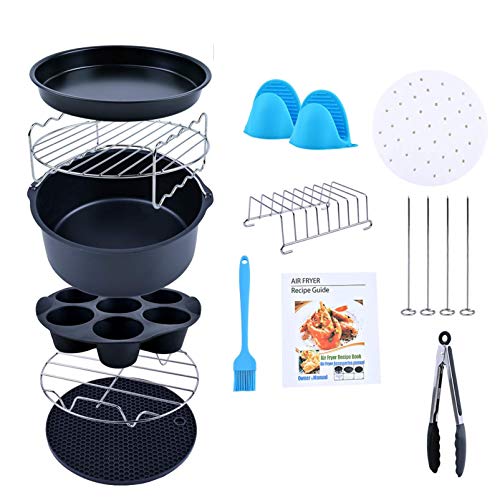
Essential Air Fryer Accessories
The right accessories can expand your air fryer's capabilities and make timing even more precise:
- Silicone tongs: For safely flipping foods without scratching the basket
- Parchment paper liners: Prevent sticking and make cleanup easier
- Baking accessories: Cake pans, muffin cups, and racks for versatile cooking
- Oil spray bottle: For even oil distribution
- Instant-read thermometer: Essential for perfect doneness
Frequently Asked Questions
Do I need to preheat my air fryer?
Most foods don't require preheating, but it can help with:
- Thick cuts of meat (chicken breasts, steaks)
- Foods that benefit from immediate searing
- Frozen foods for more even cooking
If preheating, 2-3 minutes at your cooking temperature is sufficient.
Can I open the air fryer during cooking?
Yes! Most air fryers pause automatically when opened. This is actually recommended for:
- Flipping or shaking food
- Checking doneness
- Adding seasonings mid-cook
Why are my cooking times different from the chart?
Several factors can affect cooking times:
- Air fryer model: Some run hotter or have more powerful fans
- Food size: Thicker pieces need more time
- Starting temperature: Room temperature vs. refrigerated food
- Altitude: Higher altitudes may require time adjustments
- Crowding: Overcrowded baskets cook unevenly
Can I cook multiple types of food together?
Yes, but choose foods with similar:
- Cooking temperatures
- Cooking times
- Prep requirements (oil, seasoning)
For example, potatoes and carrots work well together, but chicken and vegetables usually don't due to different cooking times.
How do I know when food is done without a thermometer?
Visual and tactile cues include:
- Golden brown color for most fried foods
- Firm texture when gently pressed (for proteins)
- Clear juices running from poultry
- Easy flaking for fish
- Tender piercing with a fork for vegetables
What oil should I use for air frying?
Best oils for air frying have high smoke points:
- Avocado oil (520°F smoke point) - best overall
- Refined coconut oil (450°F) - neutral flavor
- Canola oil (400°F) - budget-friendly
- Olive oil spray - for lighter applications
Avoid butter, unrefined oils, and anything with a low smoke point.
How full can I fill my air fryer basket?
For best results, fill the basket no more than:
- 50-60% full for small pieces (nuggets, fries)
- Single layer for larger items (chicken breasts, steaks)
- Leave gaps between pieces for air circulation
When in doubt, cook in multiple smaller batches rather than one overcrowded batch.
Related Guides
Master your air fryer with these additional resources:
- Best Air Fryers for Families - Find the perfect size for your household
- Best Air Fryer for French Fries - The crispiest models for fresh & frozen fries
- Essential Air Fryer Accessories - Expand your cooking possibilities
- How to Clean Your Air Fryer - Maintenance for optimal performance
- Perfect Air Fryer Chicken Breast - Step-by-step recipe guide
- Air Fryer Vegetables Guide - Healthy side dishes made easy
- Air Fryer vs Convection Oven - Compare cooking methods
Conclusion
Mastering air fryer cooking times is the key to consistently delicious results. While these guidelines provide an excellent starting point, remember that every air fryer is slightly different. Keep notes on what works for your specific model and preferences, and don't be afraid to adjust times and temperatures as needed.
The most important rule? Use a meat thermometer for proteins and rely on visual cues for vegetables. With practice, you'll develop an intuitive sense for timing that will make you an air frying expert.
Ready to put these timing guides to use? Browse our collection of tested air fryer recipes or check out our reviews of the best air fryers to find your perfect cooking companion.