Air Fryer Safety Tips: Complete Guide to Safe Cooking (2026)
Air fryers have revolutionized home cooking, but like any electrical appliance that generates high heat, they require proper safety precautions. This comprehensive guide covers essential safety tips to protect you, your family, and your home while enjoying delicious air-fried meals.
While air fryers are generally safer than traditional deep fryers, understanding proper usage, placement, and maintenance is crucial for preventing accidents, fires, and injuries. Whether you're a new air fryer owner or looking to refresh your safety knowledge, these tips will help you cook with confidence.
Essential Air Fryer Safety Rules
Before diving into specific safety areas, here are the fundamental rules every air fryer user must follow:
- Never leave your air fryer unattended while cooking
- Keep children and pets away from the appliance during operation
- Use only on stable, heat-resistant surfaces with proper ventilation
- Check food regularly to prevent overcooking or burning
- Unplug when not in use and allow complete cooling before cleaning
- Read your manual thoroughly before first use
- Register your product for recalls and safety updates
Proper Air Fryer Placement and Setup
Where and how you place your air fryer significantly impacts safety. Poor placement is one of the leading causes of air fryer accidents and kitchen damage.
Safe Placement Guidelines:
Counter Space Requirements
- Minimum clearance: 6 inches on all sides for proper ventilation
- Above clearance: At least 8 inches from cabinets or ceiling
- Behind clearance: 6 inches from walls to prevent heat damage
- Stable surface: Ensure the counter can support the weight and won't wobble
What to Avoid:
- Placing near curtains, towels, or other flammable materials
- Using under cabinets without adequate clearance
- Positioning near other heat-generating appliances
- Setting on unstable surfaces like cutting boards or trivets
- Placing in areas where steam can damage cabinetry
Ideal Location Features:
- Heat-resistant countertop (granite, quartz, or laminate)
- Good ventilation and air circulation
- Easy access to electrical outlet without extension cords
- Away from high-traffic kitchen areas
- Near a window or exhaust fan for steam ventilation
Electrical Safety Considerations
Air fryers are high-wattage appliances that require careful attention to electrical safety to prevent fires, electrical damage, and personal injury.
Power and Circuit Requirements
Understanding Your Air Fryer's Power Draw:
- Small air fryers (1-2 qt): Typically 800-1200 watts
- Medium air fryers (3-5 qt): Usually 1200-1500 watts
- Large air fryers (6+ qt): Often 1500-1800 watts
- Oven-style air fryers: Can exceed 1800 watts
Circuit Safety Guidelines:
- Use dedicated 15-amp or 20-amp circuits when possible
- Avoid sharing circuits with other high-wattage appliances
- Never use multiple air fryers on the same circuit simultaneously
- If breakers trip frequently, consult an electrician
- Unplug other appliances on the same circuit if necessary
Cord and Outlet Safety
- Inspect cords regularly for damage, fraying, or burn marks
- Use GFCI outlets in kitchens for added electrical safety
- Avoid extension cords - they can overheat with high-wattage appliances
- Keep cords away from heat sources and water
- Ensure plugs fit snugly in outlets without forcing
- Never use damaged cords - replace immediately or contact manufacturer
Temperature and Heat Safety
Air fryers generate significant heat both inside and outside the cooking chamber. Understanding temperature safety prevents burns and kitchen damage.
External Heat Management
Hot Surface Awareness:
- Entire exterior gets hot: Not just the cooking chamber
- Handle areas: May become uncomfortable to touch during extended cooking
- Air vents: Extremely hot air exits - never block or touch
- Bottom surface: Can transfer heat to countertops
- Control panels: May become warm during operation
Protecting Your Kitchen:
- Use heat-resistant mats or trivets under the air fryer
- Ensure adequate ventilation to prevent cabinet damage
- Monitor nearby items that could melt or warp
- Keep pot holders and oven mitts nearby for safe handling
- Allow 30-45 minutes cooling time after cooking
Internal Cooking Safety
Preventing Overcooking and Burning:
- Use timers religiously: Don't rely on memory alone
- Check food regularly: Open basket to inspect progress
- Learn your model's hot spots: Some areas cook faster than others
- Adjust temperatures down: Start lower and increase if needed
- Use meat thermometers: For accurate internal temperatures
Safe Temperature Guidelines:
- Chicken and poultry: 165°F internal temperature
- Ground meats: 160°F for safety
- Pork and beef: 145°F minimum (with rest time)
- Fish and seafood: 145°F internal temperature
- Leftovers: Reheat to 165°F
Food Safety Best Practices
Air fryers cook food quickly, but proper food safety practices remain essential to prevent foodborne illnesses and ensure optimal results.
Preparation Safety
Pre-Cooking Guidelines:
- Thaw frozen foods properly: In refrigerator, not at room temperature
- Pat foods dry: Reduces splatter and improves crispiness
- Don't overcrowd: Air needs to circulate for even cooking
- Marinate safely: In refrigerator only, discard used marinade
- Check expiration dates: Use fresh ingredients for best safety and taste
During Cooking Safety
- Don't open basket unnecessarily: Prevents heat loss and injury
- Use proper tools: Silicone or wooden utensils to avoid scratching
- Handle hot foods carefully: Steam can cause burns
- Check doneness properly: Use thermometers for accuracy
- Flip foods safely: Use tongs, not hands
Post-Cooking Safety
- Rest cooked meats: Allow juices to redistribute safely
- Store leftovers promptly: Refrigerate within 2 hours
- Cool appliance completely: Before cleaning or moving
- Clean immediately: Prevents bacteria growth and odors
Essential Safety Equipment and Accessories
Having the right safety equipment makes air frying safer and more enjoyable. These tools protect you from burns and accidents:
Must-Have Safety Accessories:
- Heat-Resistant Gloves - Protection when handling hot baskets
- Silicone Tongs - Safe food handling and flipping
- Heat-Resistant Mat - Protect countertops from heat damage
- Digital Meat Thermometer - Ensure safe internal temperatures
- Timer with Loud Alarm - Never forget food in the fryer
Additional Protective Equipment
- Aprons: Protect clothing from oil splatter and steam
- Safety glasses: For those sensitive to steam and splatter
- Non-slip mats: Prevent falls in kitchen work areas
- Fire extinguisher: Accessible and properly maintained
- First aid kit: For treating minor burns and cuts
Cleaning and Maintenance Safety
Proper cleaning and maintenance not only extend your air fryer's life but also prevent safety hazards from grease buildup, electrical issues, and component wear.
Safe Cleaning Practices
Pre-Cleaning Safety Steps:
- Unplug the appliance and wait for complete cooling (minimum 30 minutes)
- Remove all food particles to prevent pest attraction
- Check for damage before cleaning - cracks, loose parts, worn cords
- Gather appropriate cleaning supplies - mild soap, soft cloths, non-abrasive brushes
- Ensure good lighting and ventilation in cleaning area
What Never to Do:
- Never submerge electrical components in water
- Don't use harsh chemicals that can leave dangerous residues
- Avoid abrasive cleaners that damage non-stick surfaces
- Never clean while hot - risk of burns and damage
- Don't use the dishwasher unless manual specifically approves
Maintenance Schedule for Safety
After Each Use:
- Empty crumb tray to prevent fire hazards
- Wipe exterior to remove grease buildup
- Check for any unusual odors or visible damage
- Ensure proper cooling before storage
Weekly Maintenance:
- Deep clean all removable components
- Inspect electrical cord for damage
- Check air vents for blockages
- Verify proper door/basket closure
- Test all controls and settings
Monthly Safety Checks:
- Inspect heating elements for damage or debris
- Check internal lighting (if equipped)
- Verify timer accuracy
- Test emergency shutoff features
- Review warranty and recall status
Child and Pet Safety
Air fryers pose significant risks to children and pets due to hot surfaces, electrical hazards, and moving parts. Special precautions are essential in households with young family members.
Child Safety Measures
Physical Safety Barriers:
- Appliance locks: Prevent accidental activation
- Counter barriers: Use appliance garages or covers
- Cord management: Keep cords out of reach and secured
- Hot surface warnings: Teach children about burn risks
- Supervision requirements: Never leave children unattended near operating air fryers
Education and Training:
- Teach children about kitchen safety from an appropriate age
- Explain the dangers of hot surfaces and steam
- Demonstrate proper handwashing before and after food handling
- Show them where safety equipment is located
- Practice emergency procedures (what to do if something goes wrong)
Pet Safety Considerations
- Keep pets away from the cooking area during operation
- Secure cords and small accessories that could be chewed or swallowed
- Use pet gates if necessary to restrict kitchen access
- Store safely when not in use to prevent investigation
- Be aware of food toxicity - some human foods are dangerous for pets
Fire Prevention and Emergency Response
While air fryer fires are relatively rare, understanding prevention and response can save lives and property. Preparation is key to handling any emergency safely.
Fire Prevention Strategies
Common Fire Causes and Prevention:
- Grease accumulation: Clean regularly, especially after cooking fatty foods
- Overloading: Follow capacity guidelines to prevent overflow and overheating
- Wrong cooking materials: Never use aluminum foil incorrectly or put inappropriate items in the fryer
- Electrical issues: Inspect cords regularly and use proper circuits
- Placement problems: Maintain proper clearances and ventilation
Emergency Response Procedures
If You Smell Smoke or See Flames:
- Turn off and unplug immediately if safely accessible
- Never use water on electrical fires - risk of electrocution
- Use Class K fire extinguisher for grease fires
- Evacuate the area if fire cannot be quickly controlled
- Call 911 if fire spreads or you cannot extinguish it safely
- Ventilate area after extinguishing to clear smoke
After a Fire Incident:
- Do not use the appliance until inspected by a professional
- Clean all surfaces touched by smoke or fire suppressant
- Check for hidden damage to electrical systems
- Report the incident to the manufacturer
- Review safety procedures to prevent recurrence
Special Safety Considerations by Air Fryer Type
Different types of air fryers have unique safety considerations. Understanding your specific model's risks helps you take appropriate precautions.
Basket-Style Air Fryers
Unique Risks:
- Hot basket handles: Can become uncomfortable or dangerous to touch
- Steam release: Concentrated steam when opening basket
- Tip hazard: Top-heavy design when basket is pulled out
- Splatter risk: Oil can splash when shaking basket
Safety Precautions:
- Always use oven mitts when handling baskets
- Open baskets away from your face and body
- Ensure stable placement before pulling out baskets
- Shake baskets gently to prevent oil splashing
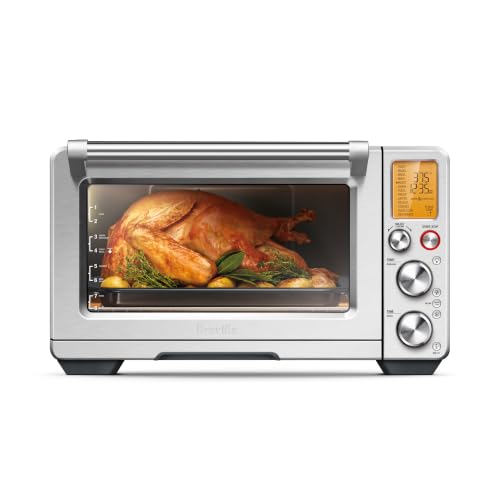
Oven-Style Air Fryers
Specific Considerations:
- Larger heating elements: More surface area that gets extremely hot
- Multiple racks: Increased complexity in loading and unloading
- Door safety: Heavy doors can slam shut or fall open
- Interior lighting: Hot bulbs that can shatter if exposed to cold water
Safe Operation Practices:
- Support doors when opening to prevent slamming
- Use rack pullers or oven mitts for hot racks
- Allow interior lighting to cool before cleaning
- Check door seals regularly for proper closure
Smart Air Fryer Safety Features
Modern smart air fryers offer additional safety features that can prevent accidents and improve cooking safety. Understanding and utilizing these features enhances your overall safety.
Advanced Safety Features to Look For:
- Smart Air Fryers with App Control - Remote monitoring and control
- Models with Auto Shut-off - Prevents overheating and fires
- Temperature Probe Air Fryers - Precise temperature monitoring
- Models with Cool-Touch Exteriors - Reduced burn risk
Safety Technology Features
- Automatic shut-off: Turns off after preset time or when basket is removed
- Overheat protection: Monitors internal temperatures and shuts down if overheating
- Cool-touch handles: Remain safe to touch during operation
- Non-slip feet: Prevent sliding on countertops
- App notifications: Alert you when cooking is complete or issues arise
- Error codes: Help diagnose problems before they become safety hazards
Frequently Asked Questions About Air Fryer Safety
Is it safe to leave an air fryer plugged in when not in use?
While most modern air fryers are designed to be left plugged in safely, it's best practice to unplug them when not in use. This eliminates any risk of accidental activation, reduces phantom energy draw, and protects against power surges. Always unplug during storms or when traveling.
Can air fryers explode or catch fire?
Air fryers can catch fire if misused, but explosions are extremely rare. Fire risks include grease buildup, electrical malfunctions, or placing flammable materials too close. Follow proper placement, cleaning, and usage guidelines to minimize fire risk. Keep a Class K fire extinguisher in your kitchen for grease fires.
What should I do if my air fryer starts smoking?
If your air fryer starts smoking, immediately turn it off and unplug it if safe to do so. Common causes include excess oil, food debris, or overcooking. Allow it to cool completely, then clean thoroughly. If smoking persists after cleaning, contact the manufacturer as this may indicate a mechanical problem.
Are air fryers safe for people with respiratory conditions?
Air fryers are generally safer than traditional frying methods for people with respiratory conditions because they produce less oil-based particles in the air. However, ensure good kitchen ventilation, as any cooking method can produce some airborne particles. If you have severe respiratory issues, consult your doctor about air fryer use.
How do I know if my air fryer is recalled?
Check the Consumer Product Safety Commission (CPSC) website regularly for recall notices. Register your air fryer with the manufacturer to receive automatic recall notifications. Look for signs of problems like unusual smells, sparking, or inconsistent heating, which could indicate safety issues requiring professional attention.
Can I use aluminum foil safely in my air fryer?
Aluminum foil can be used safely in air fryers if used correctly. Never cover air holes or heating elements, use only small amounts, ensure foil doesn't touch heating elements, and secure it well to prevent it from flying around. Parchment paper designed for air fryers is often a safer alternative.
What's the maximum temperature I should use?
Most air fryers can safely operate up to 400°F, with some models reaching 450°F. However, higher temperatures increase burn risk and the chance of overcooking. Start with lower temperatures and increase gradually. Always refer to your specific model's manual for maximum safe operating temperature.
How often should I deep clean my air fryer for safety?
Deep clean your air fryer weekly with regular use, or immediately after cooking particularly greasy foods. Daily quick cleaning prevents dangerous grease buildup. Signs you need immediate deep cleaning include smoke during operation, persistent odors, or visible grease accumulation that could pose a fire risk.
Is it safe to cook from frozen without thawing?
Yes, cooking from frozen is generally safe in air fryers and can actually reduce bacterial growth risk. However, increase cooking time by 50-75% and check internal temperatures carefully. Some foods may cook unevenly from frozen, so flip or rearrange halfway through cooking for best safety and results.
Creating a Safe Air Frying Environment
Beyond the appliance itself, creating a safe cooking environment involves considering your entire kitchen setup, family situation, and emergency preparedness.
Kitchen Setup for Safety
- Adequate lighting: Ensure you can clearly see what you're doing
- Clutter-free workspace: Remove unnecessary items that could become hazards
- Proper ventilation: Use range hoods or open windows to manage steam and odors
- Emergency equipment accessible: Fire extinguisher, first aid kit, emergency contacts
- Clean workspace: Regular cleaning prevents grease buildup and slip hazards
Family Safety Planning
- Establish clear rules about who can operate the air fryer
- Create cooking schedules to avoid conflicts and ensure supervision
- Practice emergency procedures with all family members
- Maintain emergency contact lists near cooking areas
- Regular safety meetings to review and update safety practices
Conclusion: Safe Air Frying for Everyone
Air fryers are excellent cooking tools that can provide years of safe, healthy cooking when used properly. The key to safe air frying lies in understanding the potential risks, taking appropriate precautions, and maintaining good safety habits.
Remember that safety is not just about following rules – it's about developing awareness and respect for the power of these appliances. By implementing these safety tips, maintaining your equipment properly, and staying informed about best practices, you can enjoy all the benefits of air frying while protecting yourself and your loved ones.
Safety should never be an afterthought in the kitchen. Make it a priority from day one, and air frying will become a joy rather than a worry. Whether you're choosing your first air fryer for your family or looking to upgrade your current model, prioritizing safety features and following these guidelines will ensure many years of delicious, worry-free cooking.
Emergency Action Quick Reference:
If you see flames or heavy smoke:
- 🔌 Turn off and unplug immediately (if safe)
- 🚫 Never use water on electrical/grease fires
- 🧯 Use Class K fire extinguisher
- 🚶♀️ Evacuate if fire spreads
- 📞 Call 911 if needed
For burns or injuries:
- 🧊 Cool burns with cool (not ice cold) water
- 🚑 Seek medical attention for severe burns
- 📋 Keep first aid supplies accessible
- ☎️ Know your emergency contact numbers
Remember: When in doubt, prioritize safety over convenience. No meal is worth risking injury or property damage.