Air Fryer Beginner Guide: Complete Starter's Tutorial for 2026
Everything you need to know to start air frying like a pro
Welcome to the world of air frying! If you're new to this revolutionary cooking method, you're in for a treat. Air fryers have transformed kitchens worldwide by offering a healthier, faster way to cook crispy, delicious food with little to no oil.
This comprehensive guide will take you from complete beginner to confident air fryer user in no time. Whether you just unboxed your first air fryer or you're thinking about buying one, this guide covers everything you need to know.
What is an Air Fryer?
An air fryer is a compact countertop appliance that circulates hot air around food to create a crispy exterior similar to traditional frying, but using little to no oil. Think of it as a powerful convection oven designed for maximum efficiency.
The secret lies in rapid air circulation technology. A heating element and fan work together to circulate super-heated air at high speed, cooking food evenly and creating that coveted crispy texture we all love.
How Air Fryers Work
Understanding how your air fryer works will help you use it more effectively:
- Heating Element: Generates intense heat (up to 400°F)
- Fan: Circulates hot air rapidly around food
- Basket: Allows air to flow underneath food
- Perforations: Enable 360-degree air circulation
This combination creates the Maillard reaction – the chemical process that browns and crisps food surfaces, giving you that perfect golden finish.
Setting Up Your Air Fryer
First Use Preparation
Before cooking your first meal, follow these essential steps:
- Read the Manual: Every model is slightly different
- Wash Components: Clean the basket and tray with warm, soapy water
- Initial Run: Run empty for 5-10 minutes to eliminate manufacturing odors
- Location Setup: Place on heat-resistant surface with 5 inches clearance on all sides
- Accessories Check: Ensure all parts are properly assembled
Placement Guidelines
Proper placement is crucial for safety and performance:
- Keep away from cabinets and walls
- Ensure adequate ventilation
- Place on stable, level surface
- Keep cord away from heat sources
- Maintain clearance for air vents
Air Fryer Basics: Your First Cook
Essential Controls
Most air fryers have these basic controls:
- Temperature: Usually 180°F to 400°F
- Timer: Typically 1 to 60 minutes
- Power Button: On/off control
- Presets: Pre-programmed settings for common foods
Preheating: Yes or No?
While not always necessary, preheating improves results for:
- Frozen foods
- Foods needing extra crispiness
- Baked goods
- Thin cuts of meat
Preheat for 3-5 minutes at your cooking temperature. For fresh vegetables or reheating, you can skip preheating.
Essential Cooking Techniques
The Golden Rules
- Don't Overcrowd: Leave space between food pieces for air circulation
- Shake or Flip: Turn food halfway through cooking for even results
- Use Oil Sparingly: A light spray or brush coating is often enough
- Check Frequently: Especially when learning cooking times
- Adjust as Needed: Every air fryer cooks slightly differently
Oil Usage Guide
While air fryers use less oil, a small amount often improves results:
- Best Oils: Avocado, olive, canola, vegetable
- Application Methods: Spray bottle, brush, or oil mister
- Amount: 1-2 teaspoons for most foods
- When to Use: For extra crispiness or to prevent sticking
Temperature and Time Guidelines
| Food Type | Temperature | Time | Notes |
|---|---|---|---|
| French Fries (frozen) | 400°F | 12-15 min | Shake every 5 minutes |
| Chicken Wings | 380°F | 25-30 min | Flip halfway through |
| Salmon Fillet | 400°F | 7-9 min | No flipping needed |
| Vegetables | 375°F | 10-15 min | Depends on size/type |
| Bacon | 350°F | 8-12 min | Check every 4 minutes |
Best Foods for Beginners
Easy Wins
Start with these foolproof foods to build confidence:
- Frozen French Fries: Hard to mess up, great for learning
- Chicken Tenders: Quick cooking, visible results
- Vegetables: Forgiving timing, healthy option
- Reheating Leftovers: Better than microwave results
- Bacon: Self-basting, dramatic improvement over pan cooking
Foods to Avoid Initially
Save these for when you're more experienced:
- Wet batters (they'll drip through basket)
- Very small foods (may fall through)
- Cheese-heavy dishes (can get messy)
- Leafy greens (blow around too much)
Safety Tips for New Users
Heat Safety
- Hot Surfaces: Basket and interior get extremely hot
- Steam Release: Be careful when opening during cooking
- Proper Handling: Use tongs or protective gloves
- Cooling Time: Allow basket to cool before washing
Electrical Safety
- Keep cord dry and away from hot surfaces
- Don't use extension cords
- Ensure adequate power supply
- Unplug when not in use
Cleaning and Maintenance
Daily Cleaning
After each use:
- Unplug and let cool completely
- Remove and wash basket and tray
- Wipe interior with damp cloth
- Clean exterior with appropriate cleaner
- Dry thoroughly before storing
Weekly Deep Clean
- Remove heating element (if removable) and clean gently
- Check and clean air vents
- Inspect cord for damage
- Clean control panel carefully
Troubleshooting Common Issues
Food Not Crispy Enough
- Increase temperature by 25°F
- Add 2-3 minutes to cooking time
- Use light oil spray
- Ensure food isn't overcrowded
Uneven Cooking
- Shake basket more frequently
- Cut food into uniform sizes
- Don't overload basket
- Rearrange food midway through cooking
Smoke Coming Out
- Clean excess grease from basket
- Reduce temperature slightly
- Add water to bottom of unit (if manual recommends)
- Ensure food isn't too fatty
Essential Accessories for Beginners
Must-Have Accessories
- Silicone Tongs: For safe food handling
- Oil Spray Bottle: Even oil distribution
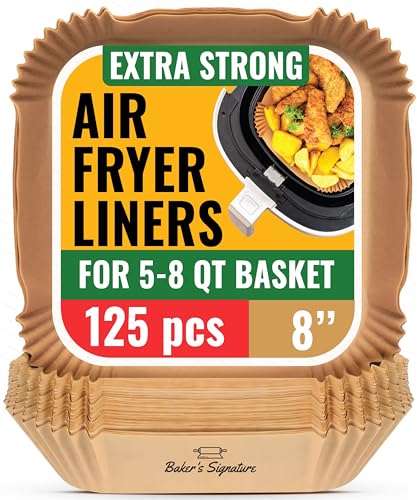
- Parchment Paper Liners: Easy cleanup (perforated ones only)
- Meat Thermometer: Ensure proper cooking temperatures
Recommended Upgrades
Consider these as you advance:
Week 1 Cooking Plan
Try one new food each day to build your skills:
- Day 1: Frozen french fries
- Day 2: Chicken nuggets
- Day 3: Mixed vegetables
- Day 4: Bacon
- Day 5: Leftover pizza slice
- Day 6: Salmon fillet
- Day 7: Sweet potato fries
Choosing Your First Air Fryer
If you haven't purchased an air fryer yet, consider these factors:
Size Considerations
- 1-2 People: 2-3 quart capacity
- 3-4 People: 4-5 quart capacity
- 5+ People: 6+ quart capacity or dual basket models
Feature Priorities
- Digital controls over analog
- Preset functions for convenience
- Non-stick coating for easy cleaning
- Dishwasher-safe parts
For specific recommendations, check out our guides on the best air fryers for beginners and best budget air fryers.
Health Benefits of Air Frying
Air frying offers several health advantages:
- Reduced Oil: Up to 85% less oil than traditional frying
- Lower Calories: Significant calorie reduction in fried foods
- Retained Nutrients: Shorter cooking times preserve vitamins
- Less Acrylamide: Reduced formation of harmful compounds
Common Mistakes to Avoid
Beginner Pitfalls
- Overcrowding: Leads to uneven cooking
- Not Preheating: When recipes call for it
- Using Too Much Oil: Defeats the purpose
- Ignoring Manufacturer Instructions: Each model is different
- Not Experimenting: Every food is different
Safety Mistakes
- Opening basket while cooking (without pausing)
- Using metal utensils on non-stick surfaces
- Washing parts while still hot
- Placing on uneven surfaces
Advanced Tips for Better Results
Professional Techniques
- Dry Food First: Pat meat and vegetables dry for better crisping
- Season Well: Food cooks quickly, so season generously
- Use the Right Temperature: Lower for thicker foods, higher for thin
- Don't Rush: Better to add time than overcook
Timing Mastery
Learn to judge doneness by:
- Visual cues (golden brown color)
- Internal temperature for meats
- Texture tests (fork tender for vegetables)
- Sound (sizzling indicates moisture content)
Building Your Recipe Collection
Start building a collection of go-to recipes:
Essential Recipe Categories
- Quick Breakfasts: Hash browns, bacon
- Easy Lunches: Grilled cheese, reheated leftovers
- Family Dinners: Chicken breast, salmon
- Healthy Snacks: Kale chips, roasted vegetables
- Weekend Treats: Donuts, cookies
Frequently Asked Questions
Do I need to use oil in an air fryer?
No, but a small amount (1-2 teaspoons) often improves texture and prevents sticking. Many foods cook well with no oil at all.
Can I cook frozen food directly?
Yes! Air fryers excel at cooking frozen foods. No need to thaw first. You may need to add 2-3 minutes to cooking time.
Why is my food not crispy?
Common causes include overcrowding the basket, too much oil, insufficient cooking time, or food that's too wet. Try patting food dry and using less oil.
Can I put aluminum foil in my air fryer?
Yes, but use sparingly and ensure it doesn't block airflow. Parchment paper designed for air fryers is often a better choice.
How do I know when food is done?
Use visual cues (golden brown), internal temperature for meats (165°F for chicken), and texture tests. When in doubt, cook a bit longer.
Can I open the basket during cooking?
Yes, most air fryers pause automatically when you open them. This is actually recommended for shaking or checking food.
What's the difference between air frying and convection baking?
Air fryers are essentially powerful convection ovens with more intense air circulation in a smaller space, leading to faster, crispier results.
Do air fryers save energy?
Yes! They typically use less energy than conventional ovens because they cook faster and don't need to heat a large space.
Expanding Your Skills
Once you've mastered the basics, explore these advanced topics:
- Advanced tips and tricks
- Meal prep strategies
- Complete cooking time charts
- Essential accessories guide
Conclusion
Congratulations! You now have all the knowledge needed to start your air frying journey with confidence. Remember, every air fryer is slightly different, so don't be afraid to experiment and adjust cooking times and temperatures to your preferences.
The key to air fryer success is practice and patience. Start with simple foods, master the basics, and gradually work your way up to more complex recipes. With time, you'll develop an intuitive understanding of how your air fryer works and what produces the best results.
Most importantly, have fun with it! Air frying opens up a world of quick, healthy, and delicious cooking possibilities. Whether you're reheating leftovers, cooking weeknight dinners, or experimenting with new recipes, your air fryer will quickly become one of your most-used kitchen appliances.
Ready to put your new knowledge to work? Start with our perfect french fries recipe or browse our collection of beginner-friendly air fryer recipes. Happy air frying!