Air Fryer Carbon Footprint: How Eco-Friendly Is Your Kitchen Appliance?
As climate consciousness grows, many home cooks are questioning the environmental impact of their kitchen appliances. Air fryers have exploded in popularity, but how do they stack up environmentally? Let's dive deep into the carbon footprint of air fryers and explore how you can cook more sustainably.
Quick Answer: Air fryers typically have a lower carbon footprint than conventional ovens for most cooking tasks, using 20-50% less energy. However, their environmental impact depends on your cooking habits, local electricity sources, and appliance efficiency.
Understanding Air Fryer Energy Consumption
To assess the carbon footprint of air fryers, we first need to understand their energy consumption patterns. Most air fryers operate between 800-1800 watts, with the average home unit using around 1200-1500 watts during active cooking.
| Air Fryer Size | Typical Wattage | Energy per Hour (kWh) | CO2 per Hour* |
|---|---|---|---|
| Compact (1-2 qt) | 800-1000W | 0.8-1.0 kWh | 0.4-0.5 lbs CO2 |
| Medium (3-5 qt) | 1200-1400W | 1.2-1.4 kWh | 0.6-0.7 lbs CO2 |
| Large (6+ qt) | 1500-1800W | 1.5-1.8 kWh | 0.75-0.9 lbs CO2 |
*Based on U.S. average electricity grid emissions of 0.5 kg CO2 per kWh
Air Fryer vs. Traditional Cooking Methods: Carbon Comparison
The environmental impact of cooking varies significantly depending on the method you choose. Here's how air fryers compare to other common cooking appliances in terms of energy efficiency and carbon emissions.
Air Fryer vs. Conventional Oven
Conventional ovens are notorious energy consumers, typically using 2000-5000 watts and requiring preheating time. For small to medium portions, air fryers consistently outperform traditional ovens:
- Energy savings: 20-50% less electricity consumption
- No preheating: Saves 10-15 minutes of energy use per cooking session
- Faster cooking: Reduced cook times mean less total energy consumption
- Better heat retention: Compact design minimizes heat loss
Real-World Example: Cooking Chicken Breast
Conventional Oven:
- • Preheat: 10 minutes at 3000W
- • Cook: 25 minutes at 3000W
- • Total: 1.75 kWh (0.875 lbs CO2)
Air Fryer:
- • No preheat needed
- • Cook: 18 minutes at 1400W
- • Total: 0.42 kWh (0.21 lbs CO2)
Carbon footprint reduction: 76%
Air Fryer vs. Deep Frying
Traditional deep frying involves heating large quantities of oil, which requires substantial energy. Air fryers eliminate this need entirely:
- No oil heating: Eliminates the energy needed to heat 1-2 liters of oil
- Reduced cooking time: Hot air circulation cooks faster than oil immersion
- Lower temperature: Typically operates 50-75°F lower than deep frying
- No oil disposal: Eliminates environmental impact of used cooking oil
Air Fryer vs. Microwave
Microwaves are generally the most energy-efficient cooking appliance, using 600-1200 watts. However, they're limited in cooking capabilities:
- Energy efficiency: Microwaves use slightly less energy overall
- Food quality: Air fryers provide superior texture and flavor
- Versatility: Air fryers can replace multiple cooking methods
- Meal satisfaction: May reduce need for additional cooking or takeout
Factors That Affect Your Air Fryer's Carbon Footprint
1. Your Local Electricity Grid
The carbon intensity of your electricity supply dramatically affects your air fryer's environmental impact. Here's how different energy sources compare:
| Electricity Source | CO2 per kWh | Air Fryer Impact (1 hour) |
|---|---|---|
| Coal (worst case) | 2.2 lbs | 3.1 lbs CO2 |
| Natural Gas | 0.9 lbs | 1.26 lbs CO2 |
| U.S. Grid Average | 0.5 lbs | 0.7 lbs CO2 |
| Hydroelectric | 0.05 lbs | 0.07 lbs CO2 |
| Solar/Wind | 0.02 lbs | 0.03 lbs CO2 |
2. Appliance Efficiency and Size
Not all air fryers are created equal. Energy-efficient models can significantly reduce your carbon footprint:
- Energy Star certification: Look for models that exceed efficiency standards
- Insulation quality: Better insulation reduces energy loss
- Size matching: Choose the right capacity for your typical cooking needs
- Smart features: Programmable settings prevent overcooking and energy waste
Top Energy-Efficient Air Fryer Recommendations
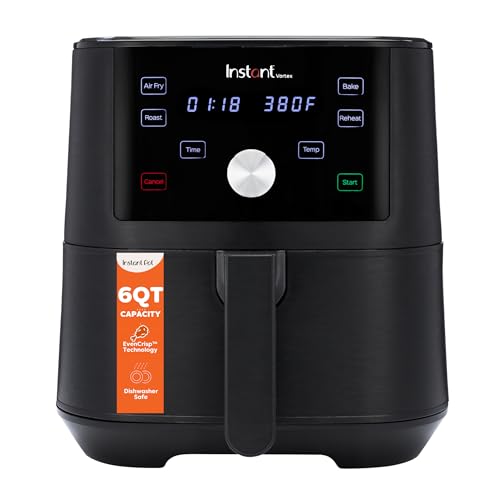
Best Overall Efficiency
For maximum energy savings with excellent performance
Shop Energy-Efficient Air Fryers →3. Usage Patterns and Cooking Habits
How you use your air fryer significantly impacts its environmental footprint:
- Batch cooking: Cooking multiple items at once maximizes efficiency
- Proper sizing: Don't use a large air fryer for small portions
- Preheating habits: Most foods don't require preheating in air fryers
- Temperature optimization: Lower temperatures when possible extend cooking time but reduce energy spikes
Lifecycle Environmental Impact
Beyond daily energy consumption, the full environmental impact includes manufacturing, transportation, and disposal:
Manufacturing and Materials
- Steel and plastic production: Average air fryer manufacturing generates 50-80 lbs CO2
- Electronic components: Circuit boards and heating elements add 10-20 lbs CO2
- Packaging and shipping: Additional 5-15 lbs CO2 depending on origin
- Total manufacturing impact: 65-115 lbs CO2 per unit
Appliance Lifespan and Amortization
Quality air fryers typically last 5-8 years with regular use. When amortized over their lifespan:
Manufacturing Impact Per Year:
- • 5-year lifespan: 13-23 lbs CO2 per year
- • 8-year lifespan: 8-14 lbs CO2 per year
This is equivalent to about 16-46 hours of cooking time annually—minimal compared to energy savings from efficient cooking.
Tips to Minimize Your Air Fryer's Carbon Footprint
1. Choose the Right Size
Selecting the appropriate air fryer capacity is crucial for efficiency:
- 1-2 people: 2-3 quart models are most efficient
- 3-4 people: 4-5 quart models balance capacity and energy use
- 5+ people: 6+ quart models, or consider dual-basket designs
- Avoid oversizing: Large units use more energy even for small portions
2. Optimize Your Cooking Techniques
Energy-Saving Techniques
- ✓ Cook multiple items simultaneously
- ✓ Use lower temperatures when possible
- ✓ Avoid opening the basket unnecessarily
- ✓ Clean regularly to maintain efficiency
- ✓ Use timer functions to prevent overcooking
Energy-Wasting Habits
- ✗ Preheating when unnecessary
- ✗ Cooking single small items in large units
- ✗ Setting temperature higher than needed
- ✗ Leaving unit plugged in when not in use
- ✗ Using damaged or dirty baskets
3. Consider Your Electricity Source
If possible, take steps to reduce the carbon intensity of your electricity:
- Solar panels: Generate clean electricity for your cooking needs
- Green energy plans: Many utilities offer renewable energy options
- Time-of-use cooking: Cook during off-peak hours when grids use cleaner energy
- Energy storage: Battery systems can store clean energy for later cooking
4. Maintenance for Efficiency
Regular maintenance ensures your air fryer operates at peak efficiency:
- Clean after each use: Grease buildup reduces heat transfer efficiency
- Check heating elements: Clean elements heat more effectively
- Replace worn baskets: Damaged coatings can affect cooking performance
- Inspect fan operation: Ensure proper air circulation for even heating
The Bigger Picture: Air Fryers in Sustainable Cooking
While air fryers can reduce your cooking carbon footprint, they're part of a larger sustainable cooking strategy:
Complementary Sustainable Practices
- Local ingredients: Reduce transportation emissions by buying local produce
- Seasonal cooking: Align your air fryer use with seasonal availability
- Meal planning: Batch cooking and meal prep maximize efficiency
- Food waste reduction: Air fryers excel at reviving leftover foods
- Plant-based focus: Vegetables and plant proteins have lower overall carbon footprints
When Air Fryers Make the Most Environmental Sense
Air fryers provide the greatest environmental benefits in these scenarios:
- ✓ Small to medium portion cooking (1-4 servings)
- ✓ Replacing conventional oven use for everyday cooking
- ✓ Reheating and crisping leftover foods
- ✓ Quick weeknight meals that would otherwise require multiple appliances
- ✓ Reducing reliance on takeout with faster home cooking
Carbon Footprint Comparison: Real Numbers
Let's put air fryer carbon footprints into perspective with some real-world scenarios:
| Scenario | Annual CO2 (Air Fryer) | Annual CO2 (Conventional) | Savings |
|---|---|---|---|
| Light use (2x/week) | 35 lbs CO2 | 78 lbs CO2 | 43 lbs saved |
| Regular use (5x/week) | 88 lbs CO2 | 195 lbs CO2 | 107 lbs saved |
| Heavy use (daily) | 123 lbs CO2 | 273 lbs CO2 | 150 lbs saved |
Put These Savings in Perspective:
- • 100 lbs CO2 saved = 250 miles of car driving avoided
- • 150 lbs CO2 saved = 6-8 months of smartphone charging
- • Annual air fryer savings = 1-2 round-trip flights (regional)
Frequently Asked Questions
Are air fryers actually more eco-friendly than microwaves?
Microwaves are slightly more energy-efficient for simple reheating tasks, but air fryers provide better food quality and versatility. If air fryers help you reduce takeout orders or replace multiple appliances, they can have a lower overall environmental impact despite using slightly more energy than microwaves.
Do air fryers use less energy than gas stoves?
This depends on your local electricity grid. In areas with clean electricity (renewable sources), air fryers typically have a lower carbon footprint than gas stoves. In areas with coal-heavy grids, gas stoves may have lower emissions. However, electric cooking eliminates indoor air pollution concerns associated with gas combustion.
How often should I replace my air fryer for optimal efficiency?
A well-maintained air fryer should last 5-8 years. Replace it only when repair costs exceed replacement value, energy efficiency has significantly degraded, or newer models offer substantial efficiency improvements (typically 20%+ energy savings). The manufacturing carbon footprint makes frequent replacements environmentally counterproductive.
Can solar panels make air frying carbon neutral?
Yes! A typical home solar panel system can easily offset the electricity used by air fryers. Even a small 2-3 kW solar installation generates enough clean electricity to power daily air fryer use while contributing excess clean energy to the grid. Combined with solar power, air fryers become virtually carbon neutral for daily operation.
Do larger air fryers always use more energy?
Not necessarily. While larger air fryers have higher maximum power consumption, they often cook more efficiently per serving when used at capacity. A 6-quart air fryer cooking for 4 people may use less energy per person than a 2-quart model cooking multiple batches for the same group. The key is matching size to your typical cooking needs.
What's the most sustainable way to dispose of an old air fryer?
First, try to extend its life through repairs or donate it if still functional. For disposal, take it to an electronics recycling center that can properly handle the heating elements and electronic components. Many retailers also offer trade-in programs. Avoid throwing air fryers in regular trash as they contain materials that should be recycled.
Conclusion: Making Informed Choices
Air fryers can be a valuable tool in reducing your kitchen's carbon footprint when used thoughtfully. Their efficiency advantages over conventional ovens, elimination of oil heating, and faster cooking times typically result in 20-50% lower energy consumption for comparable cooking tasks.
However, the environmental impact ultimately depends on your specific situation: your local electricity grid, cooking habits, appliance choices, and overall approach to sustainable living. Air fryers work best as part of a comprehensive strategy that includes choosing efficient appliances, maintaining them properly, and making conscious decisions about what and how you cook.
Key Takeaways for Sustainable Air Frying:
- • Choose the right size air fryer for your household
- • Prioritize energy-efficient models with good insulation
- • Use smart cooking techniques to maximize efficiency
- • Consider your local electricity source and green energy options
- • Maintain your appliance properly for optimal performance
- • View air fryers as part of broader sustainable cooking practices
By making informed choices about your air fryer use and considering its role in your overall environmental impact, you can enjoy the convenience and health benefits of air frying while minimizing your carbon footprint. The key is mindful use rather than avoiding this efficient cooking technology altogether.
Looking for more eco-friendly cooking tips and energy-efficient air fryer recommendations?
Shop Energy-Efficient Air Fryers →