Air Fryer vs Convection Difference: Which Cooking Method is Right for You?
Both air fryers and convection ovens use circulated hot air to cook food, but their differences go far beyond size. Understanding these distinctions will help you choose the right appliance for your cooking needs and kitchen space.
What is an Air Fryer?
An air fryer is a compact countertop appliance that uses rapid air circulation technology to cook food. It features a powerful fan that circulates superheated air around food placed in a perforated basket, creating a convection effect that cooks food quickly and evenly.
Key Air Fryer Features:
- Compact size: Typically 1-10 quart capacity
- Rapid air circulation: High-velocity fans for faster cooking
- Perforated basket: Allows maximum air flow around food
- Digital controls: Preset programs for common foods
- Easy cleanup: Non-stick, dishwasher-safe components
What is a Convection Oven?
A convection oven is a traditional oven equipped with one or more fans that circulate heated air throughout the cooking chamber. This technology can be built into full-size wall ovens, range ovens, or standalone countertop units.
Key Convection Oven Features:
- Large capacity: Can accommodate multiple dishes simultaneously
- Multiple cooking modes: Convection, conventional, broiling, baking
- Temperature range: Typically 170°F to 500°F or higher
- Multiple racks: Cook different foods at various levels
- Built-in integration: Seamless kitchen design when built-in
Air Fryer vs Convection Oven: Head-to-Head Comparison
Cooking Speed and Efficiency
Air Fryer Advantage: Air fryers cook significantly faster than convection ovens due to their compact cooking chamber and more intense air circulation. Most foods cook 20-25% faster in an air fryer.
Convection Oven Advantage: While slower per item, convection ovens can cook larger quantities simultaneously, making them more efficient for family meals or batch cooking.
| Food Item | Air Fryer Time | Convection Oven Time | Time Savings |
|---|---|---|---|
| Chicken Wings | 12-15 minutes | 20-25 minutes | 8-10 minutes |
| French Fries | 15-18 minutes | 25-30 minutes | 10-12 minutes |
| Bacon | 8-10 minutes | 12-15 minutes | 4-5 minutes |
| Vegetables | 8-12 minutes | 15-20 minutes | 7-8 minutes |
Energy Consumption
Air fryers typically use 1200-1500 watts of power, while convection ovens range from 2400-5000 watts for countertop models and even higher for built-in units. The shorter cooking times of air fryers often result in lower overall energy consumption for small batches.
Food Capacity and Volume
Air Fryer: Best for 1-4 servings depending on model size. Larger air fryers can handle family meals but require cooking in batches for bigger groups.
Convection Oven: Excellent for large families, meal prep, and entertaining. Can cook multiple dishes simultaneously using different rack positions.
Cooking Results and Food Quality
Both appliances excel at creating crispy exteriors, but they achieve different results:
Air Fryer Results:
- Exceptional crispiness on small items
- Even browning due to compact cooking space
- Some foods may dry out if overcooked
- Limited space can cause uneven cooking for larger items
Convection Oven Results:
- Consistent results across large batches
- Better for baking and roasting larger items
- More gentle heat distribution
- Superior for delicate baked goods
Best Use Cases for Each Appliance
Choose an Air Fryer When:
- Cooking for 1-4 people regularly
- You want the fastest cooking times
- Counter space is limited
- You frequently reheat leftovers
- Energy efficiency is a priority
- You enjoy crispy textures
- Quick weeknight dinners are important
Choose a Convection Oven When:
- Cooking for large families or groups
- You do significant baking or roasting
- Multiple cooking modes are desired
- You need to cook different foods simultaneously
- Kitchen integration is important
- You prepare meals in advance
- Space allows for a larger appliance
Cost Considerations
Initial Purchase Price
- Air Fryers: $30-$300 for most home models
- Countertop Convection Ovens: $100-$500
- Built-in Convection Ovens: $800-$3000+
Operating Costs
Air fryers generally cost less to operate due to shorter cooking times and lower wattage. A typical air fryer cooking session costs about $0.05-$0.10 in electricity, while convection ovens cost $0.15-$0.30 per cooking session.
Maintenance and Cleaning
Air Fryer Maintenance:
- Simple to clean with removable, dishwasher-safe parts
- Regular cleaning prevents odor buildup
- Compact size makes storage easy
Convection Oven Maintenance:
- Larger cooking chamber requires more thorough cleaning
- Multiple racks and accessories to clean
- Built-in models may require professional servicing
Health and Safety Considerations
Both appliances offer health benefits by reducing the need for cooking oils, but they differ in safety features:
Air Fryer Safety:
- Automatic shut-off when basket is removed
- Cool-touch exteriors on quality models
- Smaller hot surfaces reduce burn risk
Convection Oven Safety:
- Larger hot surfaces require more caution
- Door locks and safety latches on many models
- Better ventilation for cooking fumes
Top Air Fryer Recommendations
If you've decided an air fryer is right for your needs, here are some excellent options to consider:
Best Overall Air Fryer
The Ninja Air Fryer series offers excellent performance with multiple cooking functions and reliable results.
Best Budget Air Fryer
For those seeking value, check out COSORI air fryers, which provide great features at affordable prices.
Best Large Capacity Air Fryer
Families should consider 8-quart air fryers that can handle bigger batches while maintaining efficiency.
Top Convection Oven Recommendations
Best Countertop Convection Oven
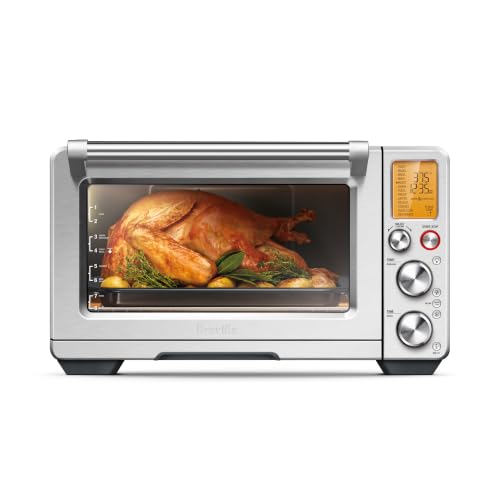
Breville convection ovens are renowned for their precision and build quality.
Best Air Fryer-Convection Combo
Get the best of both worlds with air fryer toaster oven combinations that offer multiple cooking methods in one appliance.
Making the Right Choice for Your Kitchen
The decision between an air fryer and convection oven ultimately depends on your specific cooking habits, family size, and kitchen constraints. Consider these factors:
- Household size: 1-4 people lean toward air fryers; 4+ favor convection ovens
- Cooking frequency: Daily users benefit from air fryer convenience; occasional cooks might prefer convection versatility
- Food preferences: Crispy texture lovers choose air fryers; baking enthusiasts choose convection
- Kitchen space: Limited counter space favors compact air fryers
- Budget: Air fryers offer lower entry costs and operating expenses
Can You Have Both?
Many home cooks find that air fryers and convection ovens complement each other perfectly. An air fryer handles quick daily meals and snacks, while a convection oven manages larger cooking projects and baking needs.
If you're considering both appliances, start with an air fryer to experience the convenience and speed, then add a convection oven as your cooking needs expand.
Frequently Asked Questions
Do air fryers cook the same as convection ovens?
While both use circulated hot air, air fryers cook faster due to more intense air circulation and compact cooking chambers. The results are similar but air fryers typically achieve crispier exteriors more quickly.
Which is more energy efficient?
Air fryers are generally more energy efficient for small batches due to lower wattage and shorter cooking times. Convection ovens become more efficient when cooking larger quantities simultaneously.
Can I use my convection oven as an air fryer?
Many convection ovens have air fry settings that attempt to replicate air fryer results. While these work well, dedicated air fryers typically achieve superior crispiness due to their design optimization.
Which appliance lasts longer?
Built-in convection ovens typically last 15-20 years with proper maintenance, while air fryers average 3-5 years. However, the lower replacement cost of air fryers makes this less concerning.
Do I need special cookware for either appliance?
Air fryers work best with perforated pans and accessories designed for air circulation. Convection ovens can use most standard bakeware, though lightweight pans may require adjustment for the fan action.
Which is better for meal prep?
Convection ovens excel at meal prep due to their larger capacity and ability to cook multiple items simultaneously. Air fryers work for smaller meal prep batches but may require more cooking rounds.
Both air fryers and convection ovens offer unique advantages for modern kitchens. By understanding their differences in speed, capacity, energy use, and cooking results, you can choose the appliance that best fits your lifestyle and culinary needs. Whether you prioritize quick convenience or large-batch versatility, either option will elevate your cooking experience beyond traditional methods.