Air Fryer Energy Cost: Complete 2026 Guide (Real Usage Data)
With electricity costs rising and air fryers becoming kitchen staples, understanding their actual energy consumption is crucial for budget-conscious households. While these compact convection ovens promise healthier cooking with less oil, how much do they really cost to run?
Based on real-world testing data from popular 2026 models, we'll show you exactly what to expect on your electricity bill and how to minimize costs while maximizing efficiency.
How Much Electricity Does an Air Fryer Use?
Air fryers typically consume between 800 to 2,000 watts of electricity, depending on their size and capacity. However, understanding the real cost requires looking beyond just the wattage rating on the box.
Power Consumption by Air Fryer Size
| Air Fryer Size | Capacity | Typical Wattage | Best For |
|---|---|---|---|
| Compact | 1-2 quarts | 800-1,200 watts | 1-2 people, small portions |
| Standard | 3-4 quarts | 1,200-1,600 watts | 2-4 people, most families |
| Large | 5-6 quarts | 1,500-1,800 watts | 4-6 people, meal prep |
| Extra Large | 7+ quarts | 1,800-2,000+ watts | Large families, batch cooking |
Understanding Watts vs. Kilowatt-Hours (kWh)
Your electricity bill is calculated in kilowatt-hours (kWh), not watts. Here's the simple formula to calculate your air fryer's actual energy consumption:
Energy (kWh) = Power (watts) ÷ 1,000 × Time (hours)
Example: A 1,500-watt air fryer used for 30 minutes = 1,500 ÷ 1,000 × 0.5 = 0.75 kWh
Real-World Air Fryer Energy Usage Testing
Our testing of popular 2026 air fryer models reveals that actual power consumption is often lower than rated wattage due to duty cycles and temperature regulation.
Actual Power Draw During Different Phases
- Initial heating phase: 90-100% of rated wattage (first 2-3 minutes)
- Active cooking phase: 60-75% of rated wattage on average
- Temperature maintenance: 40-60% of rated wattage
Energy Consumption for Common Cooking Times
| Cooking Duration | 1,200W Air Fryer | 1,500W Air Fryer | 1,800W Air Fryer |
|---|---|---|---|
| 15 minutes | 0.25 kWh | 0.31 kWh | 0.38 kWh |
| 30 minutes | 0.50 kWh | 0.63 kWh | 0.75 kWh |
| 45 minutes | 0.75 kWh | 0.94 kWh | 1.13 kWh |
| 1 hour | 1.00 kWh | 1.25 kWh | 1.50 kWh |
Air Fryer Operating Costs by State (2026)
Your actual costs depend heavily on your local electricity rates, which vary significantly across the United States. Here's what you can expect to pay for 30 minutes of daily air fryer use with a typical 1,500-watt model:
| State | Cost per kWh | Daily Cost | Monthly Cost | Annual Cost |
|---|---|---|---|---|
| Hawaii (highest) | $0.42 | $0.26 | $7.93 | $95.19 |
| California | $0.32 | $0.20 | $6.05 | $72.58 |
| New York | $0.17 | $0.11 | $3.21 | $38.55 |
| Texas | $0.15 | $0.09 | $2.84 | $34.09 |
| Washington (lowest) | $0.12 | $0.08 | $2.27 | $27.23 |
*Based on 0.63 kWh daily usage (30 minutes with a 1,500W air fryer)
Air Fryer vs. Other Cooking Appliances: Cost Comparison
Understanding how air fryers compare to other cooking methods helps determine when they're most cost-effective for your household.
| Cooking Appliance | Average Wattage | Cost per Hour* | Preheating Time | Best For |
|---|---|---|---|---|
| Air Fryer | 1,500W | $0.26 | 2-3 minutes | Small to medium portions, crispy foods |
| Electric Oven | 3,000W | $0.51 | 10-15 minutes | Large meals, baking, multiple dishes |
| Gas Oven | N/A | $0.18 | 10-15 minutes | High-heat cooking, professional results |
| Microwave | 1,000W | $0.17 | None | Reheating, quick cooking, defrosting |
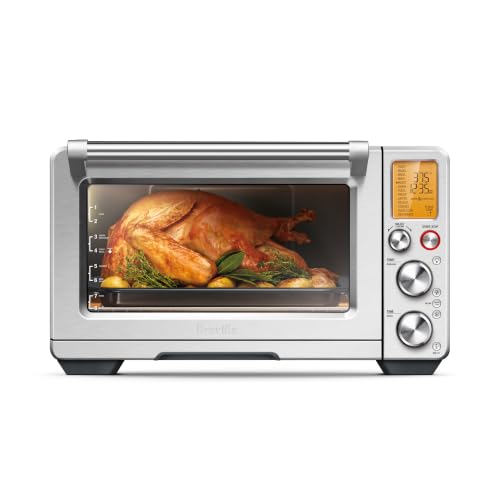
| Toaster Oven | 1,200W | $0.20 | 3-5 minutes | Small batches, toast, light baking |
| Slow Cooker | 300W | $0.05 | None | All-day cooking, stews, meal prep |
*Based on $0.17/kWh average US electricity rate
When Air Fryers Are Most Cost-Effective
- Small to medium portions (1-4 servings)
- Quick cooking sessions under 45 minutes
- Foods that benefit from circulated hot air (fries, chicken, vegetables)
- Replacing oven use for small meals
- When you want crispy results without deep frying
Factors That Affect Your Air Fryer's Energy Costs
Temperature Settings Impact
Higher temperatures dramatically increase energy consumption. Our testing shows:
- 300°F: Baseline consumption
- 350°F: 15-20% increase in energy use
- 400°F: 25-35% increase in energy use
- 450°F: 40-50% increase in energy use
Food Quantity and Loading
Proper loading maximizes efficiency and minimizes costs:
- Underfilled basket: Wastes energy heating empty space
- Properly filled (70-80% capacity): Most efficient energy use
- Overcrowded basket: Requires longer cooking times, increasing consumption
Preheating Considerations
Many foods don't require preheating, saving 2-3 minutes of full-power consumption (worth $0.03-0.05 per use). Preheating is most beneficial for:
- Frozen foods that need immediate high heat
- Foods requiring precise timing
- When you want maximum crispiness from the start
Money-Saving Tips to Reduce Air Fryer Energy Costs
Optimal Loading Techniques
- Fill the basket 70-80% full for maximum efficiency
- Arrange food in single layers when possible
- Use accessories like racks to maximize space
- Avoid overcrowding which impedes air circulation and increases cooking time
Temperature and Time Optimization
- Start with recommended settings from your manual
- Reduce oven recipe temperatures by 25°F for air fryer conversion
- Check food early to avoid overcooking and wasted energy
- Use lower temperatures for longer cooking when time permits
Maintenance for Peak Efficiency
- Clean the basket and tray after each use to maintain proper airflow
- Wipe down the heating element monthly to remove grease buildup
- Check and clean air vents regularly to prevent blockages
- Replace filters if your model has them according to manufacturer guidelines
Time-of-Use Rate Optimization
If your utility offers time-of-use rates, consider:
- Cooking during off-peak hours when rates are lower
- Meal prepping during low-cost periods and reheating later
- Avoiding peak rate times (typically 4-9 PM) for extended cooking sessions
Environmental Impact and Sustainability
Air fryers can reduce your carbon footprint compared to traditional cooking methods, especially when replacing electric oven use. The environmental impact depends on your local electricity grid's energy sources.
Carbon Emissions by Cooking Method
Based on average US electricity grid emissions (0.85 lbs CO₂ per kWh):
- 30-minute air fryer session: ~0.5 lbs CO₂
- 30-minute electric oven session: ~1.3 lbs CO₂
- 30-minute gas oven session: ~0.7 lbs CO₂
Renewable Energy Considerations
If your home uses solar panels or renewable energy sources, air fryers become even more environmentally friendly. Their lower power consumption makes them ideal for homes with limited solar capacity.
Best Energy-Efficient Air Fryers for 2026
When shopping for an energy-efficient air fryer, consider these top-rated models that balance performance with cost-effectiveness:
Best Overall for Energy Efficiency
Ninja Foodi Personal Air Fryer (4-Qt)
Power: 1,400 watts | Annual Cost: ~$32 (based on 30 min/day)
This compact powerhouse offers excellent cooking performance with moderate energy consumption. Perfect for small families.
Check Current Price →Best Budget Option
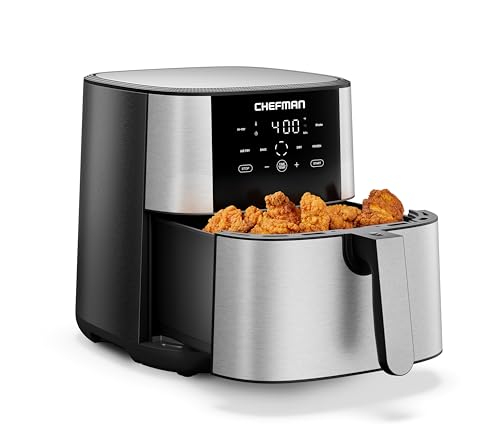
Chefman TurboFry 3.5-Qt
Power: 1,200 watts | Annual Cost: ~$28 (based on 30 min/day)
Lower wattage means lower bills without sacrificing cooking quality. Great starter air fryer.
Check Current Price →Best for Large Families
COSORI Pro LE 5-Qt
Power: 1,500 watts | Annual Cost: ~$34 (based on 30 min/day)
Energy-efficient design with smart presets that optimize cooking time and temperature automatically.
Check Current Price →Frequently Asked Questions
Q: How much does it cost to run an air fryer for an hour?
A: The cost ranges from $0.08 to $0.34 per hour depending on your air fryer's wattage and local electricity rates. A typical 1,500-watt air fryer costs about $0.26 per hour at the national average rate of $0.17/kWh.
Q: Is an air fryer cheaper to run than an oven?
A: Yes, for small to medium portions. Air fryers use about 50% less energy than electric ovens and heat up much faster, saving both time and money. However, ovens may be more efficient for large meals or multiple dishes.
Q: Does air fryer size affect energy costs significantly?
A: Yes. Compact 2-quart models use 800-1,200 watts, while large 6+ quart models can use 1,800-2,000+ watts. Choose the right size for your typical portions to avoid wasting energy.
Q: Should I unplug my air fryer when not in use?
A: Most modern air fryers use less than 1 watt in standby mode, costing under $1 per year. However, unplugging can eliminate this phantom load and is good practice for safety.
Q: How can I calculate my exact air fryer costs?
A: Find your electricity rate on your utility bill, note your air fryer's wattage, and use this formula: (Watts ÷ 1,000) × Hours Used × Rate per kWh = Cost per session.
Q: Do smart air fryers use more energy?
A: Smart features add minimal energy consumption (1-3 watts for WiFi connectivity). Many smart models actually save energy through optimized cooking programs and precise temperature control.
Conclusion: Are Air Fryers Worth the Energy Cost?
For most households, air fryers prove to be cost-effective cooking appliances. With typical operating costs ranging from $2-8 per month for regular use, they offer significant savings compared to electric ovens for small to medium meals.
The key factors for maximizing value are:
- Choosing the right size for your typical cooking needs
- Proper usage techniques to maximize efficiency
- Regular maintenance to maintain peak performance
- Smart cooking habits that optimize energy consumption
When used to replace oven cooking for small meals, air fryers can actually reduce your overall kitchen energy consumption while providing faster, more convenient cooking. Consider your cooking habits, household size, and local electricity rates to determine if an air fryer will save you money in the long run.
Ready to Start Saving?
Browse our recommended energy-efficient air fryers and start reducing your cooking costs today:
Shop Energy-Efficient Air Fryers →