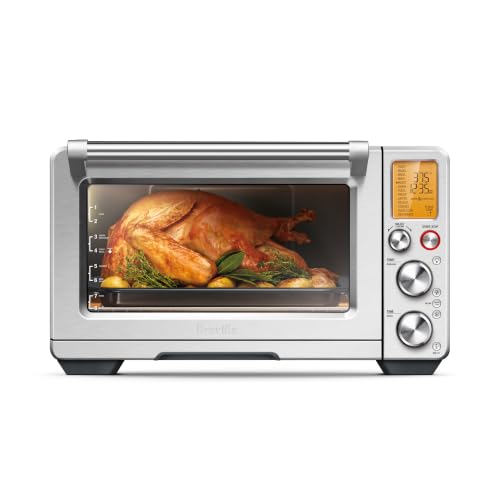
Air Fryer vs Halogen Oven: Which Countertop Appliance Wins in 2026?
With limited counter space and endless appliance options, choosing between an air fryer and halogen oven can feel overwhelming. Both promise faster cooking times and healthier meals, but they work in fundamentally different ways. After testing numerous models and analyzing their performance, we'll help you decide which appliance deserves a spot in your kitchen.
Quick Comparison Summary
| Feature | Air Fryer | Halogen Oven |
|---|---|---|
| Cooking Method | Rapid air circulation | Halogen heat + convection |
| Best For | Crispy foods, small batches | Larger meals, versatile cooking |
| Capacity | 2-8 quarts typically | 12-17 liters typically |
| Price Range | $30-$300 | $80-$250 |
| Energy Usage | 800-1500 watts | 1200-1400 watts |
How Air Fryers Work
Air fryers use a powerful fan to circulate superheated air (up to 400°F) around food at high speed. This rapid circulation creates a convection effect that crisps the outside of food while keeping the inside moist. The compact cooking chamber means food is constantly exposed to this hot air flow, reducing cooking times by up to 25% compared to traditional ovens.
The key to an air fryer's success is the perforated basket that allows hot air to flow around all sides of the food. This 360-degree circulation is what creates that coveted crispy texture without deep frying.
How Halogen Ovens Work
Halogen ovens combine three cooking methods: halogen heating elements, convection fans, and infrared radiation. The halogen bulb at the top provides intense, instant heat that can reach cooking temperature in seconds. This heat is then circulated by a powerful fan throughout the glass bowl.
The transparent glass bowl allows you to monitor cooking progress without opening the lid, which helps maintain consistent temperatures. The combination of direct halogen heat and air circulation creates a unique cooking environment that's particularly effective for browning and roasting.
Cooking Performance Comparison
Crispy Foods
Winner: Air Fryer
When it comes to achieving crispy textures, air fryers excel. The rapid air circulation and compact cooking chamber create optimal conditions for crisping. Frozen foods like french fries, chicken wings, and onion rings consistently come out crispier in air fryers than halogen ovens.
Roasting and Baking
Winner: Halogen Oven
Halogen ovens provide more even heat distribution for larger items like whole chickens, roasts, or multiple portions. The direct halogen heat creates excellent browning, while the larger capacity accommodates bigger meals. You can also use standard baking dishes and oven-safe cookware.
Cooking Speed
Winner: Tie
Both appliances cook significantly faster than conventional ovens. Air fryers typically reduce cooking time by 20-25%, while halogen ovens achieve similar time savings. The halogen oven's instant-on heating gives it a slight edge for preheating, but air fryers often require no preheating for many foods.
Reheating Leftovers
Winner: Air Fryer
Air fryers excel at reviving leftover fried foods, pizza, and baked goods. The circulating hot air removes moisture and restores crispiness better than halogen ovens, which can sometimes make foods soggy.
Capacity and Versatility
Family Size Considerations
Halogen ovens typically offer 12-17 liters of cooking space, making them suitable for families of 4-6 people. You can cook an entire meal simultaneously using the multiple racks and accessories included with most models.
Air fryers range from compact 2-quart models perfect for 1-2 people up to large 8-10 quart models that can handle family meals. However, even large air fryers may require cooking in batches for bigger families.
Cooking Methods
Halogen ovens offer more cooking versatility:
- Roasting whole chickens and large cuts of meat
- Baking cakes, breads, and casseroles
- Steaming vegetables (with accessories)
- Grilling (with grill rack)
- Dehydrating foods
Air fryers excel at:
- Crisping frozen foods
- Making "fried" foods with little oil
- Quick cooking for small portions
- Reheating crispy foods
- Some baking in smaller portions
Energy Efficiency and Operating Costs
Both appliances are more energy-efficient than full-size ovens, but there are differences:
Power Consumption
- Air Fryers: 800-1500 watts (average 1200W)
- Halogen Ovens: 1200-1400 watts (average 1300W)
Actual Energy Usage
Despite similar wattage, air fryers often use less total energy due to shorter cooking times and no preheating requirements. For example, cooking frozen french fries takes 12 minutes in an air fryer versus 15-18 minutes in a halogen oven.
Annual Operating Cost Estimate
Based on average usage (30 minutes daily at $0.13/kWh):
- Air Fryer: $24-47 annually
- Halogen Oven: $31-50 annually
Maintenance and Cleaning
Air Fryer Maintenance
Air fryers are generally easier to clean:
- Removable, dishwasher-safe baskets and trays
- Non-stick coatings on most components
- Simple exterior wipe-down
- Occasional deep cleaning of heating element area
Halogen Oven Maintenance
Halogen ovens require more thorough cleaning:
- Large glass bowl needs careful washing
- Multiple racks and accessories to clean
- Halogen bulb requires gentle handling
- More complex disassembly for deep cleaning
Space and Storage Considerations
Counter Space
Air fryers are more compact and kitchen-friendly:
- Typical footprint: 12" x 12" x 14"
- Sleeker designs that fit most kitchen aesthetics
- Some models designed for cabinet storage
Halogen ovens are bulkier:
- Typical size: 15" x 15" x 12"
- Round shape can be awkward to position
- Requires more clearance for the hinged lid
Storage
Air fryers store more easily due to their compact, often square design. Halogen ovens are harder to store due to their round, bulky shape and fragile glass construction.
Cost Analysis
Initial Purchase Price
- Budget air fryers: $30-60 (2-3 quart capacity)
- Mid-range air fryers: $80-150 (4-6 quart capacity)
- Premium air fryers: $200-300 (large capacity or smart features)
- Basic halogen ovens: $80-120
- Mid-range halogen ovens: $120-180
- Premium halogen ovens: $200-250
Long-term Value
Air fryers typically offer better value for money due to:
- Lower entry price
- More frequent use for most households
- Lower operating costs
- Easier maintenance
Best Air Fryers for 2026
If you're leaning toward an air fryer, here are our top recommendations:
Best Overall: Ninja Air Fryer Max XL
The Ninja Air Fryer Max XL offers excellent performance in a compact design. With a 5.5-quart capacity, it's perfect for families of 4. The wide temperature range (105°F-400°F) handles everything from dehydrating to high-heat crisping.
View Ninja Air Fryers on AmazonBest Value: COSORI Air Fryer
COSORI consistently delivers reliable performance at competitive prices. Their 5.8-quart model includes 11 preset functions and a sleek design that fits most kitchen aesthetics.
View COSORI Air Fryers on AmazonBest for Large Families: Philips Premium Airfryer XXL
With a massive 7-quart capacity, this Philips model can cook for 6+ people. The Fat Removal technology captures excess grease, and the twin TurboStar technology ensures even cooking.
View Philips Air Fryers on AmazonBest Halogen Ovens for 2026
If a halogen oven better fits your needs, consider these top options:
Best Overall: NuWave Pro Plus Halogen Oven
The NuWave Pro Plus combines halogen heat, convection, and infrared cooking. The digital controls and multiple cooking modes make it versatile for various cooking tasks.
View Halogen Ovens on AmazonBest Value: Andrew James Halogen Oven
This 12-liter halogen oven offers excellent value with multiple accessories included. The simple analog controls are easy to use, and the compact design fits most countertops.
Decision Framework: Which Should You Choose?
Choose an Air Fryer If:
- You frequently cook frozen foods
- Crispy texture is your priority
- You have limited counter space
- You cook for 1-4 people regularly
- Easy cleanup is important
- You want the most versatile appliance for the price
Choose a Halogen Oven If:
- You regularly cook large meals
- You want to see food while it cooks
- You need to accommodate different dish sizes
- You enjoy roasting and baking frequently
- You want one appliance for multiple cooking methods
- Counter space isn't a major concern
User Experience and Practical Considerations
Learning Curve
Air fryers generally have a shorter learning curve. Most models include preset programs for common foods, and the compact size makes it forgiving for beginners. Halogen ovens require more understanding of cooking techniques and timing adjustments.
Noise Levels
Both appliances generate noise from their fans, but air fryers are typically quieter (40-50 dB) compared to halogen ovens (45-55 dB). This difference is noticeable in open kitchen layouts.
Safety Considerations
Air fryers have better safety profiles with enclosed heating elements and automatic shutoff features. Halogen ovens expose hot glass surfaces and require careful handling of the hinged lid.
Environmental Impact
Both appliances are more environmentally friendly than full-size ovens due to reduced energy consumption. Air fryers have a slight edge due to:
- Lower average energy usage
- Longer typical lifespan (7-10 years vs 5-8 years for halogen ovens)
- Fewer replaceable parts (halogen bulbs need periodic replacement)
Future Trends and Innovations
Smart Features
Modern air fryers are rapidly adopting smart technology with app controls, voice commands, and automated cooking programs. Halogen ovens are slower to adopt these features, though some premium models now offer digital controls and preset programs.
Design Evolution
Air fryer designs continue to become more compact and kitchen-friendly, with some models designed specifically for cabinet storage. Halogen ovens maintain their traditional round design, limiting placement flexibility.
Frequently Asked Questions
Do air fryers or halogen ovens cook food more evenly?
Halogen ovens generally provide more even heat distribution for larger items due to their spacious cooking chamber and multiple heat sources. Air fryers excel at even cooking for smaller, individual items but may require shaking or turning food halfway through cooking for larger portions.
Which appliance is better for healthy cooking?
Both appliances promote healthier cooking by reducing or eliminating oil usage. Air fryers have a slight edge for reducing oil consumption since they're specifically designed for oil-free crisping. Halogen ovens allow fat to drain away from food during cooking, which is beneficial for roasting meats.
Can I bake in both appliances?
Yes, but with different limitations. Halogen ovens accommodate standard baking dishes and offer more space for larger baked goods. Air fryers work well for small baking projects like muffins or cookies but require specialized accessories and smaller batch sizes.
How long do these appliances typically last?
Air fryers typically last 7-10 years with regular use, while halogen ovens average 5-8 years. The primary limiting factor for halogen ovens is the halogen bulb, which needs replacement every 2-3 years depending on usage.
Which is more cost-effective in the long run?
Air fryers are generally more cost-effective due to lower purchase prices, reduced energy consumption, and longer lifespan. However, halogen ovens may provide better value for families who regularly cook large meals and can replace traditional oven use more completely.
Do I need special accessories for either appliance?
Most air fryers work well with included accessories, though additional racks, baking pans, or silicone molds can expand functionality. Halogen ovens typically include multiple racks and accessories, but specialty items like steamer inserts or grill racks may be sold separately.
Final Verdict
For most households, air fryers offer the best combination of performance, convenience, and value. They excel at what most people want from a countertop appliance: quick, crispy results with minimal cleanup. The compact size and intuitive operation make them ideal for busy lifestyles.
Halogen ovens make sense for larger families who regularly cook substantial meals and value cooking versatility over convenience. If you frequently roast whole chickens, bake casseroles, or cook for 6+ people, a halogen oven's capacity and even heat distribution provide real advantages.
Ultimately, both appliances can transform your cooking routine and deliver faster, healthier meals than conventional ovens. Consider your household size, cooking habits, and kitchen space to make the best choice for your specific needs.
Remember that you don't have to choose just one—many cooking enthusiasts find that air fryers and halogen ovens complement each other well, with air fryers handling quick, crispy foods and halogen ovens managing larger cooking projects.