Air Fryer vs Microwave: Which Cooking Appliance Is Right for You?
Quick Answer
A microwave reheats fastest by exciting water molecules, but it cannot crisp or brown food; an air fryer uses a convection element and fan to crisp and brown with up to roughly 75% less oil than deep frying, a figure Philips and COSORI cite, but it reheats more slowly. Microwaves typically draw 900–1,200 watts and air fryers about 1,200–1,700 watts, yet both use far less energy than a full-size oven for small portions. For the best of both, many small kitchens choose a single air fryer microwave combo that does both jobs in one footprint. Whichever you use, reheat leftovers to the USDA-recommended 165°F internal temperature.
When it comes to quick and convenient cooking, air fryers and microwaves are two of the most popular appliances in modern kitchens. Both promise to save time and effort, but they work in fundamentally different ways and produce vastly different results. If you're trying to decide between these two cooking methods or wondering whether you need both, this comprehensive comparison will help you make an informed decision.
The choice between an air fryer and microwave isn't always straightforward. While microwaves excel at rapid heating and convenience, air fryers offer superior food texture and flavor development. Understanding these differences can help you determine which appliance best fits your cooking style, dietary goals, and kitchen needs.
How Air Fryers and Microwaves Work
Air Fryer Technology
Air fryers use convection heating technology, circulating super-heated air at temperatures between 300-400°F around food at high speed. This rapid air circulation creates a convection effect that crisps the exterior of foods while keeping the interior moist. The process mimics deep frying but uses little to no oil, making it a healthier alternative to traditional frying methods.
The heating element in an air fryer is typically located at the top of the unit, with a powerful fan that distributes the hot air evenly throughout the cooking chamber. This circulation system ensures consistent heating and browning, creating the Maillard reaction that gives foods their appealing golden-brown color and complex flavors.
Microwave Technology
Microwaves work by generating electromagnetic waves at a frequency of 2.45 gigahertz, which causes water molecules in food to vibrate rapidly. This vibration creates friction and heat from the inside out, warming food quickly and efficiently. The microwave cooking process is fundamentally different from conventional heating methods as it heats food internally rather than from the surface.
This technology excels at heating liquids and foods with high water content, making it perfect for reheating leftovers, defrosting frozen items, and cooking certain vegetables that benefit from steaming. However, microwaves cannot create the browning and crisping effects that make many foods appealing.
Cooking Speed and Efficiency Comparison
| Cooking Task | Air Fryer Time | Microwave Time | Winner |
|---|---|---|---|
| Reheating pizza slice | 3-4 minutes | 30-60 seconds | Microwave (speed) |
| Cooking frozen fries | 12-15 minutes | 5-7 minutes | Air fryer (quality) |
| Defrosting chicken breast | Not recommended | 5-8 minutes | Microwave |
| Cooking bacon | 8-12 minutes | 4-6 minutes | Air fryer (quality) |
| Heating soup | Not suitable | 2-3 minutes | Microwave |
| Cooking vegetables | 8-15 minutes | 3-8 minutes | Depends on preference |
While microwaves consistently win in terms of pure speed, air fryers often produce superior results that justify the extra cooking time. The choice depends on whether you prioritize convenience or food quality.
Food Quality and Texture Differences
Air Fryer Results
Air fryers excel at creating crispy, golden exteriors while maintaining moist interiors. Foods cooked in air fryers develop complex flavors through the Maillard reaction, which occurs when proteins and sugars are exposed to high heat. This reaction creates the appealing colors and rich flavors associated with roasting, baking, and frying.
The texture achieved with air frying closely resembles traditional oven-baked or fried foods. French fries become crispy on the outside and fluffy inside, chicken develops a golden crust, and vegetables caramelize beautifully. Air fryers can also effectively reheat foods that were originally crispy, restoring their texture better than microwaves.
Microwave Results
Microwaves heat food quickly but cannot create browning or crisping effects. Foods heated in microwaves tend to have a softer, sometimes soggy texture, especially items that were originally crispy. The rapid heating can also create hot spots and uneven temperatures within the same piece of food.
However, microwaves excel with certain foods. They're perfect for steaming vegetables, which retain their nutrients and vibrant colors. Microwaves also effectively heat liquids and sauces without burning, and they're ideal for melting butter or chocolate without the risk of overheating.
Health and Nutrition Considerations
Air Fryer Health Benefits
Air fryers promote healthier cooking by significantly reducing oil consumption. Traditional deep frying can require 1-3 cups of oil per batch, while air frying typically uses 1-2 tablespoons or sometimes no oil at all. This reduction can cut calories by 70-80% compared to deep-fried foods.
The high-heat cooking process in air fryers also helps render fat from meats naturally, allowing excess fat to drip away from food. This self-draining effect further reduces the overall fat content of meals. Additionally, air frying doesn't create the harmful compounds that can form during deep frying at very high temperatures.
Microwave Health Considerations
Microwave cooking is generally considered safe and can actually preserve nutrients better than some traditional cooking methods. Because microwaving uses shorter cooking times and doesn't require added fats, it can help retain water-soluble vitamins that might be lost through longer cooking processes.
However, the uneven heating in microwaves can create food safety concerns if foods aren't heated to proper temperatures throughout. It's important to stir foods during heating and use a food thermometer to ensure safe internal temperatures, especially for meat and poultry.
Energy Efficiency and Operating Costs
Power Consumption
Microwaves typically use 700-1200 watts of power and cook food quickly, making them extremely energy-efficient for many tasks. A microwave might use only 0.05-0.15 kWh to heat a meal, translating to just a few cents in electricity costs.
Air fryers generally consume 800-1500 watts but require longer cooking times. However, they're still more energy-efficient than conventional ovens because they heat up quickly and cook food faster than traditional ovens. For small batches of food, air fryers can actually be more cost-effective than heating a large oven.
Long-term Operating Costs
Both appliances have relatively low operating costs, but the microwave wins for pure efficiency. However, air fryers can help reduce food costs by allowing you to cook cheaper cuts of meat to perfection and by reducing the need for takeout or processed foods that might otherwise provide crispy textures.
Versatility and Cooking Options
Air Fryer Capabilities
Modern air fryers are surprisingly versatile cooking appliances. Beyond "frying," they can:
- Bake: Small cakes, muffins, and bread rolls
- Roast: Vegetables, chicken, and small roasts
- Grill: Sandwiches, fish, and vegetables
- Dehydrate: Fruits, vegetables, and herbs (with accessories)
- Toast: Bread, bagels, and English muffins
- Reheat: Leftover fried foods with restored crispiness
Many air fryers come with multiple racks and accessories that expand their cooking capabilities. Some models include rotisserie attachments, baking pans, and skewer sets that further increase their versatility.
Microwave Capabilities
While microwaves are often seen as single-purpose appliances, they offer their own range of cooking methods:
- Reheating: Leftovers, beverages, and prepared foods
- Defrosting: Frozen meats, vegetables, and prepared foods
- Steaming: Fresh vegetables and fish
- Melting: Butter, chocolate, and cheese
- Quick cooking: Potatoes, corn on the cob, and eggs
- Warming: Baby bottles and heating pads
Convection microwaves combine microwave technology with convection heating, offering some browning and crisping capabilities along with traditional microwave functions.
Space Requirements and Kitchen Integration
Counter Space Considerations
Both appliances require counter space, but their footprints vary significantly. Compact air fryers can be as small as a large toaster, while larger models might take up as much space as a microwave. Consider your available counter space and how often you'll use each appliance when making your decision.
Microwaves can often be mounted above the stove or built into cabinetry, saving valuable counter space. Some air fryers are designed to fit under cabinets, but most require adequate clearance on all sides for proper ventilation.
Storage and Accessibility
If counter space is limited, consider which appliance you'll use more frequently. The appliance used daily should remain accessible, while the one used occasionally can be stored and brought out as needed. Air fryers generally require more clearance around them during operation due to heat venting, while microwaves can operate in more confined spaces.
Cost Analysis: Initial Investment and Value
| Price Range | Air Fryer Features | Microwave Features |
|---|---|---|
| $30-$60 | Basic 2-4 quart models | 700W countertop models |
| $60-$120 | Digital controls, 4-6 quart capacity | 900-1000W with presets |
| $120-$200 | Large capacity, accessories included | 1200W convection models |
| $200+ | Multi-function, smart connectivity | Built-in or commercial-grade units |
When evaluating cost, consider the total value proposition. While initial costs might be similar, think about long-term benefits like reduced oil consumption with air fryers or energy savings with microwaves. Also consider whether the appliance might reduce your reliance on takeout or other more expensive food options.
Best Air Fryer Options for Your Kitchen
If you're leaning toward adding an air fryer to your kitchen arsenal, here are some top-rated options to consider:
Compact Air Fryers (2-4 Quart)
Perfect for individuals or couples, these space-saving models offer excellent performance in a small footprint. Look for models with digital controls and preset cooking programs for easy operation. Browse compact air fryers on Amazon to find options that fit your space and budget.
Family-Size Air Fryers (5-8 Quart)
Ideal for families of 4-6 people, these larger models can handle whole chickens, family-size portions of vegetables, and multiple servings of snacks. Many include accessories like baking pans and multi-level racks. Shop family-size air fryers for models that can handle your household's cooking needs.
Multi-Function Air Fryer Ovens
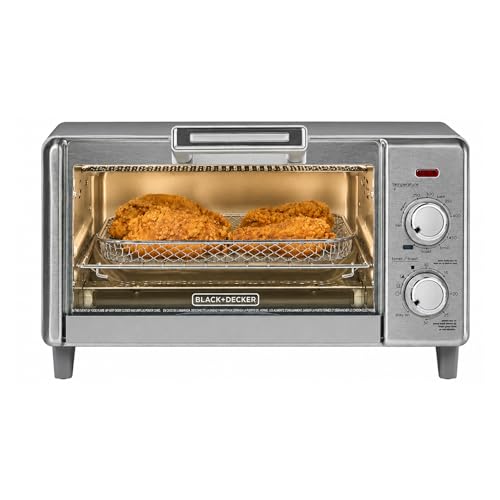
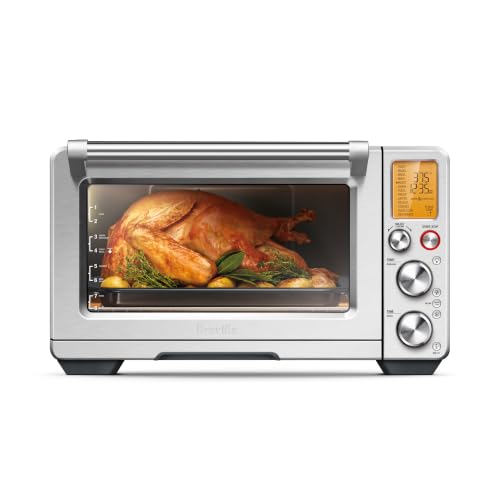
These versatile units combine air frying with toaster oven functionality, offering multiple cooking methods in one appliance. They're perfect if you want to replace several appliances or have limited kitchen space. Explore air fryer toaster oven combos for maximum versatility.
When to Choose Each Appliance
Choose an Air Fryer If:
- You want crispy, fried-like textures without excess oil
- You enjoy cooking and want to experiment with different techniques
- You're trying to reduce oil consumption and eat healthier
- You often cook frozen foods like french fries, chicken nuggets, or fish sticks
- You want to replace or reduce use of your conventional oven for small batches
- You enjoy meal prep and want to cook proteins and vegetables with great texture
Choose a Microwave If:
- Speed and convenience are your top priorities
- You primarily need to reheat leftovers and prepared foods
- You frequently defrost frozen ingredients
- You often heat liquids, soups, and sauces
- Counter space is extremely limited
- You rarely cook fresh foods and prefer ready-made meals
The Case for Having Both
In many households, air fryers and microwaves serve complementary roles rather than competing ones. Each excels in different areas:
- Microwaves handle quick reheating, defrosting, and liquid heating tasks
- Air fryers excel at creating appealing textures and cooking fresh ingredients
- Together, they provide a complete range of quick cooking options
- Having both eliminates the need to compromise on food quality or convenience
If budget and space allow, having both appliances gives you maximum flexibility in your cooking approach. You can use the microwave for quick tasks and the air fryer when you want to elevate your food's texture and flavor.
Maintenance and Longevity
Air Fryer Maintenance
Air fryers require regular cleaning of the basket and tray, which are typically dishwasher safe. The heating element and fan area should be wiped down periodically to prevent grease buildup. With proper care, quality air fryers can last 5-7 years or more.
Microwave Maintenance
Microwaves need regular interior cleaning to remove food splatters and odors. The turntable should be washed regularly, and the exterior should be wiped down to maintain appearance. Well-maintained microwaves can operate effectively for 10-15 years.
Making Your Decision
The choice between an air fryer and microwave ultimately depends on your cooking priorities, available space, and budget. Consider your typical cooking routine: do you value speed above all else, or are you willing to invest slightly more time for significantly better food quality?
For most households, the ideal solution involves understanding that these appliances serve different purposes. Microwaves excel at convenience tasks like reheating and defrosting, while air fryers create restaurant-quality textures and flavors at home. If you can accommodate both, they'll work together to give you the best of both worlds.
Frequently Asked Questions
Can an air fryer completely replace a microwave?
While air fryers are versatile, they cannot completely replace microwaves for all tasks. Air fryers excel at cooking and crisping foods but cannot efficiently heat liquids, defrost foods quickly, or provide the instant convenience that microwaves offer for simple reheating tasks.
Which is more energy efficient, air fryer or microwave?
Microwaves are generally more energy efficient due to their shorter cooking times, despite similar wattage consumption. However, air fryers can be more efficient than conventional ovens and may reduce overall energy costs if they replace oven use for small cooking tasks.
Is food cooked in an air fryer healthier than microwave food?
Both cooking methods can be healthy, but in different ways. Air fryers reduce oil consumption compared to traditional frying and can make vegetables more appealing, potentially increasing vegetable intake. Microwaves preserve nutrients well due to shorter cooking times and minimal water use.
How much counter space do I need for each appliance?
Compact microwaves typically require about 1.5-2 square feet of counter space, while small air fryers need about 1 square foot. However, air fryers need clearance on all sides for ventilation, while microwaves can be placed closer to walls and other appliances.
Can I use both appliances for meal prep?
Yes, both can be useful for meal prep in different ways. Air fryers excel at preparing proteins and vegetables with excellent texture that reheats well. Microwaves are perfect for quickly reheating prepped meals and cooking certain ingredients like grains and steamed vegetables during prep sessions.
Which appliance is better for a college dorm or small apartment?
For extremely limited space and budget, microwaves edge out air fryers due to their versatility in heating various foods and beverages quickly. However, if cooking fresh, healthy meals is a priority and space allows, a compact air fryer might be more beneficial for creating satisfying, home-cooked meals.
The decision between an air fryer and microwave doesn't have to be all-or-nothing. Understanding the strengths and limitations of each appliance will help you make the choice that best fits your lifestyle, cooking habits, and kitchen setup. Whether you choose one or both, you'll have convenient tools that can significantly improve your daily cooking routine.
If the microwave is the half of that pair you are actually replacing, our best countertop microwave guide covers the current picks — and explains why Consumer Reports measures usable capacity at only about half the cubic feet printed on the box. For units that do both jobs in one machine, see our best air fryer microwave combo roundup.