Air Fryer vs Deep Fryer: Which Is Better for Your Kitchen?
Last updated: July 22, 2026
The debate between air fryers and deep fryers has been heating up kitchens worldwide. Both appliances promise deliciously crispy results, but they take vastly different approaches. Whether you're health-conscious, budget-minded, or simply love crispy food, this comprehensive comparison will help you make the right choice for your cooking needs.
Quick Answer
An air fryer is the better choice for most kitchens: it crisps food using circulating hot air with up to 75% less oil than deep frying (per manufacturers such as Philips and COSORI), which cuts fat and calories and makes cleanup far easier. A deep fryer still wins on pure texture and speed for large batches of classic fried foods, because fully submerging food in 350–375°F oil delivers uniform crunch a deep fryer can't quite match. Air frying also forms far less acrylamide — a likely carcinogen created when starchy foods are deep-fried — with research showing reductions of up to 90% versus deep frying. Choose an air fryer for everyday healthier cooking and a deep fryer only if you fry in bulk and prioritize deep-fried texture above all.
Quick Comparison Overview
| Feature | Air Fryer | Deep Fryer |
|---|---|---|
| Health Factor | Up to 80% less oil | High oil content |
| Cooking Speed | 15-25 minutes | 3-8 minutes |
| Initial Cost | $50-$400 | $30-$200 |
| Operating Cost | Low (minimal oil) | High (regular oil changes) |
| Cleanup | Easy, dishwasher safe | Messy, oil disposal |
| Versatility | Fry, bake, roast, reheat | Frying only |
How Air Fryers Work
Air fryers use rapid air circulation technology to create a crispy exterior without submerging food in oil. A powerful fan circulates superheated air (up to 400°F) around the food, creating the Maillard reaction that gives fried foods their signature golden-brown color and crispy texture. This convection cooking method requires only a light coating of oil – or sometimes no oil at all.
The key to air frying success lies in the perforated basket design, which allows hot air to reach every surface of your food. Most air fryers also feature a drip tray that catches excess fat and oils released during cooking, making your meals even healthier.
Best Air Fryers for Home Use
Looking for a quality air fryer? Here are some top-rated options:
- Ninja Foodi Air Fryers - Versatile multi-cookers with excellent air frying capabilities
- COSORI Air Fryers - User-friendly with preset cooking programs
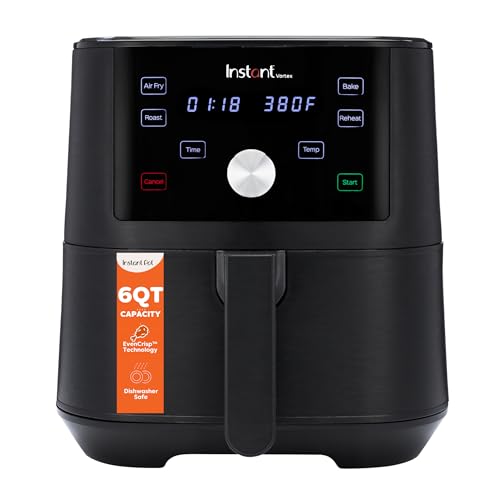
- Instant Vortex Air Fryers - Great for families with large capacity options
How Deep Fryers Work
Deep fryers submerge food completely in oil heated to temperatures between 350°F and 375°F. This method creates an immediate seal around the food, locking in moisture while developing a crispy exterior. The oil's thermal mass provides consistent heat transfer, resulting in even cooking and the classic fried food texture that many people crave.
Professional deep fryers feature temperature controls, oil filtration systems, and safety mechanisms like auto-shutoff. Home models range from simple countertop units to larger capacity fryers suitable for entertaining. The key advantage is speed – most foods cook in just a few minutes due to the intense, consistent heat from the surrounding oil.
Popular Home Deep Fryers
If you're considering a deep fryer, these models offer good value:
- Presto Deep Fryers - Affordable and reliable for home use
- T-fal Deep Fryers - Advanced filtration and easy cleanup features
- Hamilton Beach Deep Fryers - Budget-friendly options with safety features
For full specs, verified prices and the oil-cost math on all of these, see our best deep fryer roundup.
Health and Nutrition Comparison
Air Fryer Health Benefits
The most significant advantage of air fryers is their dramatic reduction in oil usage. Traditional deep-fried foods can absorb 8-25% of their weight in oil, while air-fried foods typically use 80% less oil. For example, a serving of deep-fried french fries contains about 365 calories and 17 grams of fat, while the same serving air-fried contains approximately 220 calories and 10 grams of fat.
- Reduced Calorie Intake: Significant calorie reduction without sacrificing taste
- Lower Trans Fat: Minimal oil usage reduces harmful trans fat consumption
- Preserved Nutrients: Shorter cooking times help retain vitamins and minerals
- No Acrylamide Concerns: Lower oil temperatures reduce formation of potentially harmful compounds
Deep Fryer Nutrition Profile
Deep-fried foods are calorie-dense and high in saturated fats. Regular consumption has been linked to various health issues including obesity, heart disease, and diabetes. However, when consumed occasionally as part of a balanced diet, deep-fried foods can be enjoyed without significant health impact.
- High Calorie Density: Can contribute to weight gain if consumed regularly
- Saturated Fat Content: May increase cholesterol levels
- Oil Quality Matters: Using fresh, high-quality oils can minimize health risks
- Portion Control Important: Moderation is key for occasional enjoyment
Cooking Performance and Taste
Texture and Crispiness
Deep fryers excel at creating the ultimate crispy exterior with a fluffy interior. The oil's thermal mass and complete immersion create an unmatched texture for foods like fried chicken, donuts, and tempura. The result is golden, evenly crispy surfaces with optimal moisture retention inside.
Air fryers produce excellent crispiness for many foods, particularly those with breaded coatings or natural moisture. French fries, chicken wings, and vegetables achieve satisfying crunch, though the texture differs slightly from traditional deep-frying. Some foods may require light oil brushing for optimal results.
Food Types and Results
Air Fryer Excels At:
- Frozen foods (fries, nuggets, fish sticks)
- Vegetables (Brussels sprouts, cauliflower)
- Reheating leftovers
- Lean meats (chicken breast, pork tenderloin)
- Baked goods (muffins, cookies)
Deep Fryer Excels At:
- Battered foods (fish and chips, tempura)
- Doughnuts and pastries
- Whole fried chicken
- Traditional fried favorites
- Foods requiring complete oil immersion
Cost Analysis
Initial Investment
Air fryers typically cost between $50-$400 depending on size and features. Basic models suitable for 2-4 people start around $70, while large capacity units with multiple cooking functions can exceed $300. The wide price range reflects varying capacities, build quality, and additional features like multiple cooking presets and smart connectivity.
Deep fryers generally cost less upfront, ranging from $30-$200. Basic countertop models adequate for home use start around $50, while commercial-grade home units with advanced filtration and larger capacities reach $150-$200. The lower initial cost makes deep fryers attractive for budget-conscious buyers.
Operating Costs
Air fryers win decisively in operating costs. They use minimal oil – often just a light spray or brush coating. A typical cooking session might use less than a tablespoon of oil compared to several cups required for deep frying. Additionally, air fryers are more energy-efficient, using 50-70% less electricity than conventional ovens.
Deep fryers require significant ongoing investment in oil. A home deep fryer typically holds 6-12 cups of oil, costing $15-30 per fill depending on oil type. Oil should be changed after 8-10 uses for optimal taste and safety, making the monthly oil cost substantial for regular users. Factor in higher electricity usage due to maintaining oil temperature.
Convenience and Maintenance
Ease of Use
Air fryers excel in convenience with simple operation, preset cooking programs, and automatic shut-off features. Most models require minimal preheating (2-3 minutes) and allow easy monitoring through clear viewing windows. The cooking process is largely hands-off once settings are selected.
Deep fryers require more attention and skill. Oil temperature monitoring, proper food immersion techniques, and timing are crucial for success. The learning curve is steeper, and constant supervision is necessary for safety and optimal results.
Cleanup and Maintenance
Air fryer cleanup is straightforward – most components are dishwasher-safe, and there's no oil mess to manage. A quick wipe-down of the interior and washing of the basket and drip tray complete the process. No special oil disposal considerations are needed.
Deep fryer maintenance involves oil filtering, storage, and eventual disposal. The unit requires thorough cleaning after each use, and oil must be properly disposed of at recycling centers. The cleanup process is messier and more time-consuming.
Safety Considerations
Air Fryer Safety
Air fryers are inherently safer due to the absence of large quantities of hot oil. The enclosed design prevents spattering, and automatic shut-off features provide additional protection. The main safety concern is proper ventilation, as the rapid air circulation can produce some steam and food particles.
Deep Fryer Safety
Deep fryers present greater safety risks due to large volumes of extremely hot oil (350-375°F). Proper handling techniques are essential to prevent burns and fires. Modern units include safety features like temperature controls and automatic shut-offs, but vigilance remains crucial. Never leave a deep fryer unattended during operation.
Environmental Impact
Air fryers have a significantly lower environmental impact. They consume less electricity, generate minimal waste (no used oil disposal), and don't contribute to groundwater contamination from improper oil disposal. The reduced packaging waste from not purchasing large quantities of cooking oil also benefits the environment.
Deep fryers create environmental challenges through used oil disposal and higher energy consumption. However, responsible oil recycling can mitigate some environmental impact, as used cooking oil can be converted to biodiesel or other useful products.
Which Should You Choose?
Choose an Air Fryer If:
- Health is your primary concern
- You want versatile cooking options beyond frying
- Easy cleanup is important to you
- You cook frequently and want low operating costs
- Kitchen space is limited
- You're new to "frying" and want safer operation
Choose a Deep Fryer If:
- Authentic fried food texture is non-negotiable
- You specialize in traditional fried foods
- Speed is more important than health considerations
- You enjoy the traditional cooking process
- Lower upfront cost is a priority
- You use it occasionally rather than daily
Frequently Asked Questions
Can air fryers completely replace deep fryers?
Air fryers can replace deep fryers for most home cooking needs, producing satisfyingly crispy results with significantly less oil. However, certain foods like traditional battered fish, donuts, and some ethnic fried specialties may not achieve the exact same texture and flavor profile as deep-frying.
Do air-fried foods taste different from deep-fried foods?
Yes, there is a noticeable difference, though many people find air-fried foods equally satisfying. Air-fried foods tend to have a lighter, less greasy taste with the natural flavors of the food more prominent. The texture is crispy but not quite as uniformly crunchy as deep-fried foods.
Which is more cost-effective long-term?
Air fryers are more cost-effective long-term due to minimal oil usage, lower electricity consumption, and reduced maintenance costs. While the initial purchase price may be higher, the savings in oil costs alone typically recover the investment within 6-12 months for regular users.
How much oil do you save with an air fryer?
Air fryers use approximately 80% less oil than traditional deep frying. A typical air frying session uses 1-2 teaspoons of oil or none at all, compared to 4-6 cups required for deep frying the same quantity of food.
Are air fryers safer than deep fryers?
Yes, air fryers are significantly safer. They don't use large quantities of extremely hot oil, reducing the risk of severe burns and kitchen fires. The enclosed design and automatic shut-off features provide additional safety margins compared to deep fryers.
Can you cook the same foods in both appliances?
Most foods can be prepared in both appliances, though results will vary. Air fryers excel with foods that have natural moisture or breaded coatings, while deep fryers are better for wet batters and foods requiring complete oil immersion. Air fryers also offer more versatility for baking, roasting, and reheating.
Final Verdict
For most home cooks, air fryers represent the better choice due to their health benefits, versatility, and convenience. They deliver satisfying crispy results while dramatically reducing oil consumption and simplifying cleanup. The ability to bake, roast, and reheat foods makes them valuable multi-purpose appliances.
Deep fryers remain the gold standard for authentic fried food texture and are the preferred choice for serious fried food enthusiasts or those specializing in traditional fried cuisine. They're also suitable for occasional use when the absolute best fried food experience is desired.
Consider your cooking frequency, health priorities, and food preferences when making your decision. Many households that switch to air fryers find they don't miss their deep fryer, while others keep both appliances for different purposes.
Ready to Make Your Choice?
Explore our detailed guides to find the perfect appliance for your kitchen:
- Best Air Fryers for Families - Find the right size and features for your household
- Air Fryer Cooking Times Guide - Master your new air fryer with our comprehensive timing chart
- Budget Air Fryers Under $100 - Quality options that won't break the bank
- Best Deep Fryer 2026 - Our tested picks if you land on the deep-fryer side