Air Fryer Counter Space Requirements: Complete Guide 2026
Finding the right spot for your air fryer can be challenging, especially in smaller kitchens. This comprehensive guide breaks down the counter space requirements for different air fryer sizes and provides practical tips for maximizing your kitchen efficiency.
Whether you're planning to buy your first air fryer or looking to upgrade to a larger model, understanding space requirements is crucial for both functionality and safety. We'll cover everything from minimum clearances to creative storage solutions that work in any kitchen.
Basic Counter Space Requirements
Most air fryers require more space than their actual footprint suggests. You need additional clearance around the unit for proper ventilation, safety, and ease of use.
Minimum Space Guidelines:
- Top clearance: 6-8 inches minimum for proper ventilation
- Back clearance: 4-6 inches from wall or backsplash
- Side clearance: 2-3 inches on each side
- Front clearance: 12-18 inches for basket removal and operation
These clearances ensure proper airflow, prevent overheating, and give you enough room to safely operate your air fryer. Insufficient clearance can lead to poor cooking results, safety hazards, and potential fire risks.
Counter Space by Air Fryer Size
Different air fryer sizes have varying space requirements. Here's a breakdown of popular categories and their typical dimensions:
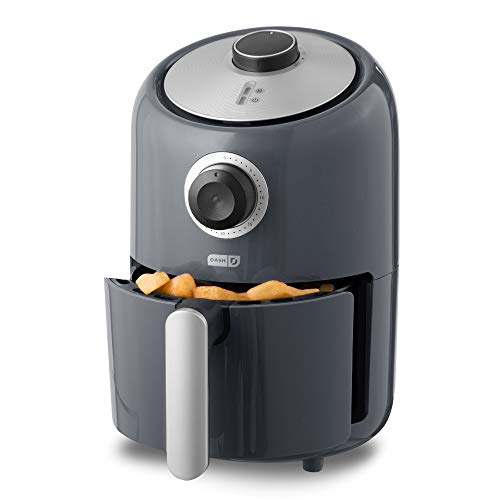
Compact Air Fryers (1-2 Quart)
Perfect for singles or couples, these small units are ideal for kitchens with limited counter space.
Typical Footprint: 8" x 8" x 10" (W x D x H)
Required Counter Space: 12" x 14" minimum
Total Space with Clearances: 16" x 20"
Popular compact models include the Dash Compact Air Fryer and similar space-saving designs. These are excellent for dorm rooms, RVs, and studio apartments.
Medium Air Fryers (3-4 Quart)
The most popular size category, offering a good balance between capacity and counter space usage.
Typical Footprint: 10" x 10" x 12" (W x D x H)
Required Counter Space: 14" x 16" minimum
Total Space with Clearances: 18" x 22"
This size works well for 2-4 people and includes popular models like the Ninja AF101 Air Fryer and Cosori models in this capacity range.
Large Air Fryers (5-6 Quart)
Great for families, but require significantly more counter real estate.
Typical Footprint: 12" x 12" x 14" (W x D x H)
Required Counter Space: 16" x 18" minimum
Total Space with Clearances: 20" x 24"
Popular large models include the Instant Pot Vortex Plus and other family-sized options.
Extra Large Air Fryers (7+ Quart)
These oversized models are excellent for large families but require substantial counter space.
Typical Footprint: 14" x 14" x 16" (W x D x H)
Required Counter Space: 18" x 20" minimum
Total Space with Clearances: 22" x 26"
Air Fryer Oven Models
Air fryer ovens typically require different placement considerations due to their horizontal design and front-opening doors.
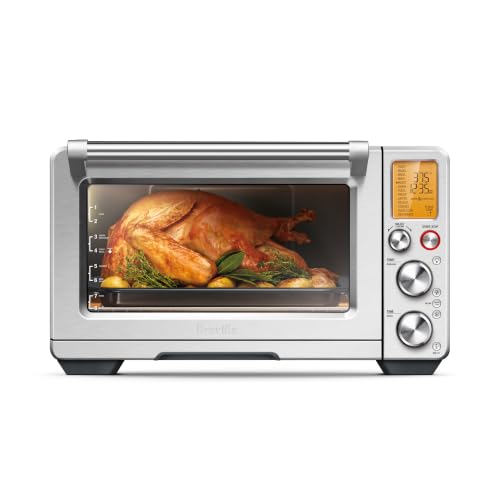
Countertop Air Fryer Ovens
Typical Footprint: 16" x 12" x 10" (W x D x H)
Required Counter Space: 20" x 16" minimum
Door Clearance: Additional 12-15 inches in front for door opening
Popular models like the Cuisinart Air Fryer Toaster Oven offer multiple cooking functions but require more linear counter space.
Creative Space-Saving Solutions
Limited counter space doesn't mean you have to give up on air frying. Here are proven strategies to maximize your kitchen efficiency:
1. Rolling Kitchen Carts
A mobile kitchen cart provides dedicated air fryer space that can be moved when needed. Look for carts with:
- Heat-resistant surfaces
- Storage shelves for accessories
- Locking wheels for stability
- Electrical outlet access
2. Pull-Out Counter Extensions
Install pull-out shelves or cutting boards that extend your existing counter space specifically for air fryer use. This works especially well in galley kitchens.
3. Cabinet Storage with Easy Access
Store your air fryer in a lower cabinet and pull it out for use. Consider:
- Heavy-duty pull-out shelves
- Appliance garages with roll-up doors
- Deep drawers designed for small appliances
4. Wall-Mounted Solutions
Some compact air fryers can be wall-mounted or placed on floating shelves, though this requires careful consideration of weight limits and electrical access.
5. Corner Utilization
Corner spaces often go unused but can accommodate compact air fryers with proper clearance. Consider corner shelving units or lazy susans for easy access.
Safety Considerations for Placement
Proper placement isn't just about space—it's about safety. Follow these essential guidelines:
Heat and Ventilation Safety
- Never place directly under cabinets without adequate clearance
- Avoid placement near paper products, curtains, or other flammables
- Ensure the exhaust vent isn't blocked
- Keep away from other heat-generating appliances
Electrical Safety
- Use dedicated outlets—avoid extension cords
- Ensure GFCI protection in kitchen environments
- Keep cords away from high-traffic areas
- Check that your outlet can handle the air fryer's amperage
Stability and Access
- Place on stable, level surfaces only
- Ensure easy access to controls and basket
- Keep away from sink splash zones
- Maintain clear pathways for safe operation
Measuring Your Available Space
Before purchasing an air fryer, accurately measure your available counter space. Here's how to do it properly:
Step-by-Step Measuring Guide
- Measure base dimensions: Width and depth of available counter space
- Check height clearance: Measure from counter to bottom of upper cabinets
- Account for obstacles: Note outlets, switches, or other appliances
- Consider daily use: Ensure the space allows for comfortable operation
- Plan for accessories: Factor in space for baskets, trays, and cleaning supplies
Common Measurement Mistakes
- Not accounting for ventilation clearances
- Forgetting about basket removal space
- Ignoring electrical outlet placement
- Underestimating the need for prep space nearby
Best Air Fryers for Limited Counter Space
If counter space is at a premium, these models offer excellent performance in compact footprints:
Top Compact Picks
Dash Compact Air Fryer: Perfect for single servings with minimal space requirements.
BLACK+DECKER Compact Air Fryer: Affordable option with good performance in tight spaces.
Multi-Function Options
Consider air fryer toaster oven combos that replace multiple appliances:
Cuisinart TOA-60 Air Fryer Toaster Oven: Combines air frying, toasting, and baking in one compact unit.
Kitchen Layout Optimization
Strategic kitchen layout planning can help you accommodate an air fryer without sacrificing functionality:
Zone-Based Cooking
Create distinct zones in your kitchen:
- Prep zone: Near the sink for washing and preparation
- Cooking zone: Where your air fryer and other appliances operate
- Storage zone: For ingredients and accessories
Workflow Considerations
Position your air fryer to support efficient cooking workflows:
- Near prep areas for easy food transfer
- Close to serving dishes and plates
- Within reach of seasonings and oils
- Away from high-traffic pathways
Small Kitchen Solutions
Apartment dwellers and small kitchen owners can still enjoy air frying with these strategies:
Temporary Setup Options
- Use dining table space for extended cooking sessions
- Set up on kitchen islands or peninsulas
- Utilize breakfast bars or counter overhangs
- Consider outdoor cooking areas if weather permits
Storage Between Uses
When not in use, store your air fryer:
- In pantries with easy access shelving
- Under counters on pull-out platforms
- In appliance garages with proper ventilation
- On top of refrigerators (for lightweight models only)
Frequently Asked Questions
How much counter space does a typical air fryer need?
A typical 3-4 quart air fryer needs about 18" x 22" of total space including clearances. The unit itself might be 10" x 10", but you need additional space for ventilation and operation.
Can I put my air fryer under a cabinet?
You can place an air fryer under cabinets only if you maintain at least 6-8 inches of clearance above the unit for proper ventilation. Insufficient clearance can cause overheating and damage.
Is it safe to use an air fryer on a kitchen island?
Yes, kitchen islands make excellent air fryer locations as they typically provide good clearance on all sides. Just ensure the island surface is heat-resistant and stable.
What's the smallest air fryer available?
The smallest air fryers are typically 1-1.5 quart capacity models with footprints around 7" x 7" x 9". These are perfect for single servings but may be too small for most families.
Can I store other appliances on top of my air fryer?
No, never store anything on top of your air fryer. The top surface gets hot during operation and needs clear space for proper ventilation. This could also damage both appliances.
How do I know if my counter can support an air fryer's weight?
Most kitchen counters can easily support air fryers, which typically weigh 8-15 pounds. However, ensure any shelving or cart you use is rated for at least 20 pounds to provide a safety margin.
Should I move my air fryer after each use?
If you have limited counter space, moving your air fryer to storage after each use is perfectly fine. Just ensure it's completely cool before moving and that the storage location allows for any residual heat dissipation.
Conclusion
Finding the right counter space for your air fryer doesn't have to be a challenge, even in smaller kitchens. By understanding the space requirements for different air fryer sizes and implementing creative storage solutions, you can enjoy all the benefits of air frying without sacrificing kitchen functionality.
Remember to prioritize safety with proper clearances and stable placement. Whether you choose a compact model for tight spaces or invest in creative storage solutions for larger units, the key is planning ahead and measuring carefully.
For more air fryer guidance, check out our complete cleaning guide and cooking time chart to get the most out of your new appliance, regardless of where you place it in your kitchen.