Air Fryer Energy Efficiency: How Much Power Do They Really Use?
Rising energy costs have made us all more conscious about household electricity consumption. If you're wondering whether your air fryer is an energy-efficient cooking solution, you've come to the right place. Let's dive deep into air fryer power usage, costs, and eco-friendly cooking strategies.
How Much Electricity Does an Air Fryer Use?
Most air fryers consume between 800 to 2000 watts of power during operation, with the average falling around 1200-1500 watts. To put this in perspective:
- Small air fryers (1-2 quart): 800-1200 watts
- Medium air fryers (3-5 quart): 1200-1500 watts
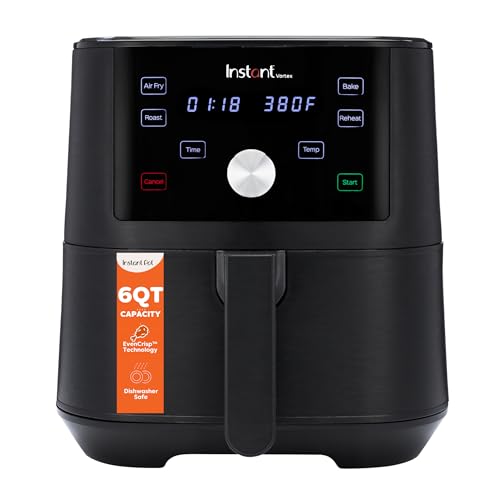
- Large air fryers (6+ quart): 1400-2000 watts
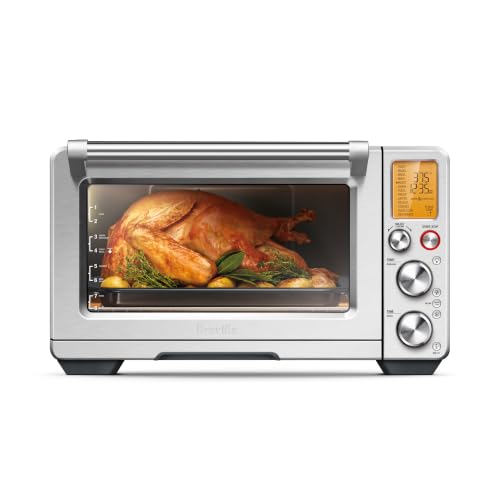
- Oven-style air fryers: 1500-2400 watts
However, unlike conventional ovens that maintain constant power draw, air fryers cycle on and off to maintain temperature. This means they don't continuously draw their maximum wattage throughout the cooking process.
Air Fryer vs. Conventional Oven: The Energy Showdown
Here's where air fryers truly shine in energy efficiency:
Energy Comparison
Air Fryer
- • Average: 1200W power draw
- • Preheats in 2-3 minutes
- • Cooks 25-50% faster
- • No preheating required for many foods
Conventional Oven
- • Average: 2400-5000W power draw
- • Preheats in 10-15 minutes
- • Standard cooking times
- • Always requires preheating
For cooking small to medium portions, air fryers can use 50-75% less energy than conventional ovens. The key factors contributing to this efficiency include:
- Compact cooking chamber: Less space to heat means less energy required
- Rapid air circulation: Efficient heat transfer reduces cooking time
- Minimal preheating: Ready to cook in minutes, not quarters of an hour
- Targeted cooking: Heat goes directly to the food, not warming your entire kitchen
Calculating Your Air Fryer's Electricity Costs
Understanding your actual costs helps make informed decisions about cooking methods. Here's how to calculate your air fryer's electricity usage:
Cost Calculation Formula
(Wattage ÷ 1000) × Hours Used × Electricity Rate = Cost
Example:
- • 1400W air fryer
- • Used 30 minutes (0.5 hours)
- • Electricity rate: $0.13/kWh (US average)
- • Cost: (1400 ÷ 1000) × 0.5 × $0.13 = $0.091 per use
Monthly Usage Estimates
If you use your air fryer for 30 minutes daily:
| Air Fryer Size | Wattage | Daily Cost | Monthly Cost |
|---|---|---|---|
| Small (1-2 qt) | 1000W | $0.065 | $1.95 |
| Medium (3-5 qt) | 1400W | $0.091 | $2.73 |
| Large (6+ qt) | 1800W | $0.117 | $3.51 |
Energy-Saving Tips for Air Fryer Cooking
Maximize your air fryer's energy efficiency with these practical strategies:
1. Batch Cooking
Cook multiple servings at once when possible. The energy cost difference between cooking one chicken breast versus four is minimal, but you'll save on subsequent meals.
2. Skip Preheating When Possible
Many foods don't require preheating, especially:
- Frozen foods (they benefit from gradual warming)
- Vegetables with longer cooking times
- Thick cuts of meat that need slower cooking
3. Choose the Right Size
Using a smaller air fryer for small portions can reduce energy consumption by 20-30%. Don't heat more space than you need.
4. Maintain Your Air Fryer
A clean air fryer operates more efficiently:
- Clean the basket and tray after each use
- Wipe down the heating element monthly
- Check for grease buildup that can impede airflow
Most Energy-Efficient Air Fryer Features
When shopping for an energy-efficient air fryer, look for these features:
Digital Controls with Timer
Precise timing prevents overcooking and wasted energy. Models with automatic shut-off are particularly efficient.
Insulated Housing
Better insulation means less heat loss and more efficient cooking. Look for models that don't get extremely hot on the outside during operation.
Variable Temperature Control
Being able to cook at lower temperatures when appropriate saves energy. Not everything needs to be cooked at 400°F.
🌱 Eco-Friendly Air Fryer Recommendations
These energy-efficient air fryers balance performance with lower power consumption:
Compact & Efficient Models
Perfect for 1-2 people, these smaller units use less energy while delivering great results.
Shop Energy-Efficient Compact Air Fryers →Smart Air Fryers with Energy Monitoring
Advanced models that help you track and optimize energy usage.
Explore Smart Energy-Monitoring Air Fryers →Environmental Impact: Beyond Energy Consumption
Energy efficiency is just one aspect of environmental responsibility. Air fryers contribute to sustainability in several ways:
Reduced Food Waste
The precision of air frying means less overcooked, inedible food. Plus, the ability to reheat leftovers effectively extends food life.
Less Oil Usage
Air fryers require minimal oil compared to deep frying, reducing both waste and environmental impact from oil production and disposal.
Kitchen Heat Reduction
Unlike ovens that heat your entire kitchen, air fryers produce minimal ambient heat, reducing the load on air conditioning systems during warmer months.
The Science Behind Air Fryer Efficiency
Understanding why air fryers are energy-efficient helps appreciate their design:
Rapid Air Technology
The convection system in air fryers circulates hot air at high speeds (typically 200-300 mph), creating efficient heat transfer that reduces cooking time by 20-50%.
Thermal Mass
Air fryers have lower thermal mass than traditional ovens, meaning they heat up faster and don't store as much residual heat that gets wasted when cooking is complete.
Heat Recovery
The continuous circulation system recovers and redistributes heat that would otherwise be lost, maximizing the efficiency of every watt consumed.
Comparing Air Fryers to Other Cooking Methods
| Cooking Method | Average Power | Preheating Time | Efficiency Rating |
|---|---|---|---|
| Air Fryer | 800-2000W | 2-3 minutes | ⭐⭐⭐⭐⭐ Excellent |
| Toaster Oven | 1200-1800W | 5-8 minutes | ⭐⭐⭐⭐ Good |
| Microwave | 700-1200W | Instant | ⭐⭐⭐⭐⭐ Excellent* |
| Electric Stovetop | 1200-3000W | 3-5 minutes | ⭐⭐⭐ Fair |
| Conventional Oven | 2400-5000W | 10-15 minutes | ⭐⭐ Poor |
*Microwaves are highly efficient for reheating and simple cooking, but limited in food preparation options compared to air fryers.
Real-World Energy Savings Examples
Let's look at practical scenarios where air fryers save significant energy:
Cooking Chicken Breast
Reheating Pizza
Maximizing Long-Term Efficiency
To get the most energy-efficient performance from your air fryer over time:
Regular Maintenance Schedule
- After each use: Clean basket and drip tray
- Weekly: Wipe down interior and exterior
- Monthly: Deep clean heating element and air vents
- Quarterly: Check power cord for damage
Smart Usage Patterns
- Group similar cooking tasks together
- Use residual heat for warming or light cooking after main meals
- Choose appropriate basket size for portion size
- Take advantage of rapid cooking for meal prep sessions
💡 Pro Tip: Energy Monitoring
Consider using a smart plug with energy monitoring to track your air fryer's actual consumption. This data helps optimize cooking schedules and identify the most efficient cooking methods for different foods.
Shop Energy-Monitoring Smart Plugs →Frequently Asked Questions
Do air fryers use a lot of electricity?
No, air fryers are generally very energy-efficient. While they draw 800-2000 watts during operation, they cook food 25-50% faster than conventional ovens and require minimal preheating, resulting in 50-75% less total energy consumption for most cooking tasks.
Is it cheaper to run an air fryer or oven?
For small to medium-sized meals, air fryers are significantly cheaper to operate. A typical air fryer costs about $0.09 per 30-minute use, while heating a conventional oven for the same food could cost $0.30-0.50, making air fryers 70-80% cheaper for most cooking tasks.
Should I leave my air fryer plugged in when not in use?
While air fryers don't draw significant standby power, unplugging them when not in use can save a small amount of energy (typically 1-3 watts of standby consumption). This also eliminates any risk of accidental activation and extends the appliance's lifespan.
Do larger air fryers use proportionally more energy?
Larger air fryers do consume more power (1800-2000W vs. 800-1200W), but they're still more efficient than heating a full-size oven. The key is matching the air fryer size to your typical cooking needs to avoid heating unused space.
Can using an air fryer reduce my overall electricity bill?
Yes, if you frequently cook small to medium portions, switching from conventional oven cooking to air frying can reduce your cooking-related electricity costs by 50-75%. The savings are most noticeable for households that cook daily and currently rely heavily on conventional ovens.
What's the most energy-efficient way to use an air fryer?
To maximize efficiency: batch cook when possible, skip preheating for appropriate foods, choose the right size for your portions, maintain your air fryer regularly, and use lower temperatures when food allows. These practices can improve efficiency by an additional 15-20%.
Conclusion: Air Fryers as Energy-Smart Cooking Solutions
Air fryers represent a significant advancement in energy-efficient cooking technology. With 50-75% lower energy consumption compared to conventional ovens, faster cooking times, and minimal preheating requirements, they offer both environmental and economic benefits.
The typical household using an air fryer daily can save $50-150 annually on electricity costs while reducing their cooking-related carbon footprint. Combined with their convenience and cooking quality, air fryers prove that energy efficiency doesn't require compromising on results.
Whether you're motivated by environmental consciousness, rising energy costs, or simply want a more efficient kitchen, air fryers deliver measurable benefits that compound over time. The investment in an energy-efficient air fryer pays for itself through reduced utility bills while contributing to a more sustainable cooking routine.
Ready to Start Energy-Efficient Cooking?
Explore our comprehensive reviews of the most energy-efficient air fryers on the market, complete with real-world power consumption data and cost analysis.