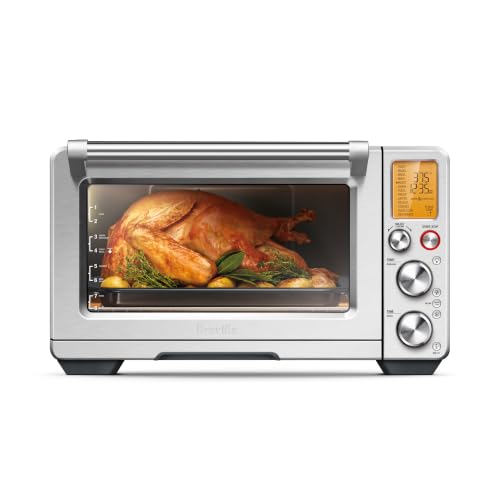
Air Fryer vs Instant Pot: The Ultimate Kitchen Appliance Showdown
Two of the most popular kitchen appliances today promise to revolutionize your cooking: the air fryer and the Instant Pot. But which one delivers better results, saves more time, and deserves a permanent spot on your counter? We've tested both extensively to help you make the right choice.
Quick Comparison Overview
| Feature | Air Fryer | Instant Pot |
|---|---|---|
| Primary Cooking Method | Convection heating with circulating hot air | Pressure cooking with steam |
| Speed | Very fast (5-20 minutes) | Fast once pressurized (10-60 minutes total) |
| Best For | Crispy foods, vegetables, reheating | Stews, rice, beans, tough meats |
| Versatility | Moderate (frying, baking, roasting) | High (pressure cook, slow cook, sauté, steam) |
| Counter Space | Compact to medium | Large footprint |
| Energy Usage | Low (800-1500W) | High initially (1000-1800W) |
| Learning Curve | Easy | Moderate |
How Air Fryers Work
Air fryers use rapid air circulation technology to create crispy exteriors without deep frying. A heating element combined with a powerful fan circulates hot air at speeds up to 200 mph around your food, creating the Maillard reaction that produces browning and crispiness.
Air Fryer Advantages:
- Speed: Most foods cook in 5-20 minutes
- Crispy results: Excellent for foods that should be crunchy
- Healthy cooking: Uses little to no oil
- Easy cleanup: Non-stick baskets are dishwasher safe
- Compact size: Fits easily on most countertops
- No preheating needed: Ready to cook immediately
Air Fryer Limitations:
- Limited capacity: Most models serve 2-4 people max
- Not ideal for liquids: Can't make soups, stews, or rice
- Drying effect: Can overcook delicate foods
- Noise: Fan operation can be loud
How Instant Pots Work
Instant Pots are electric pressure cookers that combine multiple cooking functions in one device. They use steam pressure to cook food quickly while retaining moisture and nutrients. Modern models include additional functions like slow cooking, rice cooking, sautéing, and yogurt making.
Instant Pot Advantages:
- Versatility: 7+ cooking functions in one appliance
- Large capacity: Models range from 3-8 quarts
- Moisture retention: Perfect for stews, soups, and tender meats
- Set-and-forget: Minimal monitoring required
- Energy efficient: Uses less energy than conventional cooking methods
- Nutrient preservation: Pressure cooking retains vitamins
Instant Pot Limitations:
- Large footprint: Takes up significant counter space
- Learning curve: Multiple functions require time to master
- No browning: Foods won't develop crispy exteriors
- Pressure time: Takes 10-15 minutes to reach pressure
- Steam release: Natural release can add 10-30 minutes
Cooking Performance Comparison
Speed Test Results
We tested common foods in both appliances to compare actual cooking times:
| Food | Air Fryer | Instant Pot | Winner |
|---|---|---|---|
| Chicken Breast (6 oz) | 12 minutes | 25 minutes (including pressure time) | Air Fryer |
| French Fries (frozen) | 15 minutes | Not recommended | Air Fryer |
| Rice (1 cup) | Not possible | 22 minutes | Instant Pot |
| Beef Stew | Not recommended | 45 minutes | Instant Pot |
| Vegetables (broccoli) | 8 minutes | 15 minutes | Air Fryer |
| Hard-Boiled Eggs | 17 minutes | 20 minutes | Air Fryer |
Quality Comparison
Air Fryer Wins: Crispy exteriors, browning, texture contrast, reheating leftovers
Instant Pot Wins: Tender meats, flavorful broths, grain cooking, one-pot meals
Energy Efficiency Analysis
Both appliances are more energy-efficient than conventional ovens, but they excel in different scenarios:
Air Fryer Energy Use:
- Average power: 1000-1500 watts
- Cooking time: 5-20 minutes typically
- Cost per use: $0.05-$0.15
- Best efficiency: Small batches, quick-cooking foods
Instant Pot Energy Use:
- Average power: 1000-1800 watts during heating
- Maintenance power: 200-400 watts during pressure cooking
- Cost per use: $0.08-$0.25
- Best efficiency: Large batches, long-cooking foods
Winner: Air fryers use less total energy for quick meals, while Instant Pots are more efficient for slow-cooking tasks that would otherwise require hours in a conventional oven.
Best Use Cases for Each Appliance
Choose an Air Fryer If You:
- Love crispy, crunchy textures
- Cook for 1-2 people regularly
- Want to reheat leftovers perfectly
- Prefer quick, hands-on cooking
- Have limited counter space
- Enjoy roasted vegetables and baked goods
- Want healthier versions of fried foods
Choose an Instant Pot If You:
- Cook large batches or meal prep
- Love one-pot meals
- Frequently cook rice, grains, or legumes
- Enjoy braised meats and stews
- Want set-and-forget convenience
- Need multiple cooking functions
- Cook for families (4+ people)
Top Recommended Models
Best Air Fryers
For Beginners: Ninja Air Fryer
Perfect balance of size, features, and ease of use. Great for 2-4 people with intuitive controls and consistent results.
For Families: COSORI Large Air Fryer
5.8-quart capacity handles family meals while maintaining excellent cooking performance and build quality.
Best Instant Pots
Most Popular: Instant Pot Duo 7-in-1
The classic model that started the pressure cooker revolution. Reliable, well-documented, with tons of online recipes.
Premium Choice: Instant Pot Pro Crisp
Combines pressure cooking with air frying capabilities, giving you the benefits of both appliances in one unit.
Can You Have Both?
Many cooking enthusiasts find that air fryers and Instant Pots complement each other rather than compete. If you have the budget and counter space, owning both gives you maximum cooking flexibility:
- Meal prep strategy: Use the Instant Pot for batch cooking proteins and grains, then crisp them up in the air fryer
- Different occasions: Quick weeknight meals in the air fryer, weekend batch cooking in the Instant Pot
- Seasonal cooking: Air fryer for summer (less heat), Instant Pot for winter comfort foods
- Family dynamics: Air fryer for kids' favorites, Instant Pot for family dinners
Hybrid Option: Air Fryer Lid for Instant Pot
Several manufacturers offer air fryer lids that convert your Instant Pot into an air fryer. While these don't perform quite as well as dedicated air fryers, they're a space-saving solution that provides both functionalities.
Maintenance and Longevity
Air Fryer Maintenance:
- Daily: Wash basket and tray after each use
- Weekly: Clean exterior and heating element
- Monthly: Deep clean with baking soda paste
- Expected lifespan: 3-5 years with regular use
Instant Pot Maintenance:
- After each use: Clean pot, lid, and sealing ring
- Weekly: Check and clean steam release valve
- Monthly: Replace sealing ring if worn
- Expected lifespan: 5-8 years with proper care
Budget Considerations
Price ranges vary significantly within each category:
Air Fryer Prices:
- Budget models: $30-$60 (basic functionality, 2-3 quart capacity)
- Mid-range: $60-$120 (better build quality, 4-6 quart capacity)
- Premium: $120-$300 (advanced features, large capacity, multiple racks)
Instant Pot Prices:
- Budget models: $50-$80 (basic 6-quart, essential functions)
- Mid-range: $80-$150 (more functions, better displays)
- Premium: $150-$300 (WiFi connectivity, specialty functions, larger sizes)
Final Verdict: Which Should You Choose?
Choose an Air Fryer If:
You're a beginner cook who values speed and simplicity, lives alone or with a partner, loves crispy foods, has limited kitchen space, and wants an appliance that delivers consistent results with minimal learning curve.
Choose an Instant Pot If:
You cook for a family, enjoy meal prepping, want maximum versatility in one appliance, love comfort foods like stews and soups, and don't mind a steeper learning curve for greater cooking capabilities.
The Ultimate Winner:
There isn't one. Your choice depends entirely on your cooking style, household size, and kitchen priorities. Both appliances excel in their respective areas and can significantly improve your cooking experience when matched to your needs.
Frequently Asked Questions
Can an air fryer replace an Instant Pot?
No, air fryers cannot perform pressure cooking, slow cooking, or handle liquid-based recipes like soups and stews. They excel at different cooking methods.
Which is healthier: air frying or pressure cooking?
Both methods are healthy. Air frying reduces oil usage, while pressure cooking preserves nutrients better than many traditional cooking methods. The healthiness depends more on your ingredients than the cooking method.
Do air fryers use more electricity than Instant Pots?
Air fryers typically use less total electricity for quick-cooking foods due to shorter cooking times. Instant Pots use more power initially but maintain pressure efficiently, making them more economical for longer cooking tasks.
Can you cook the same foods in both appliances?
Some foods work in both (like chicken breast or vegetables), but they'll have different textures. Air fryers create crispy exteriors, while Instant Pots keep food moist and tender.
Which appliance is easier to clean?
Air fryers are generally easier to clean daily, with simple baskets that go in the dishwasher. Instant Pots have more components but are still manageable with regular maintenance.
Are combination air fryer/pressure cooker units worth it?
Combination units save space and money but typically don't perform either function as well as dedicated appliances. They're good compromises for small kitchens or occasional users of both functions.
Which appliance holds its value better for resale?
Instant Pots tend to hold their value better due to their versatility and longer lifespan. However, both appliances depreciate quickly as new models are released frequently.
Can beginners use both appliances safely?
Yes, both are designed with safety features. Air fryers are more intuitive for beginners, while Instant Pots require reading instructions carefully but have multiple safety mechanisms to prevent accidents.