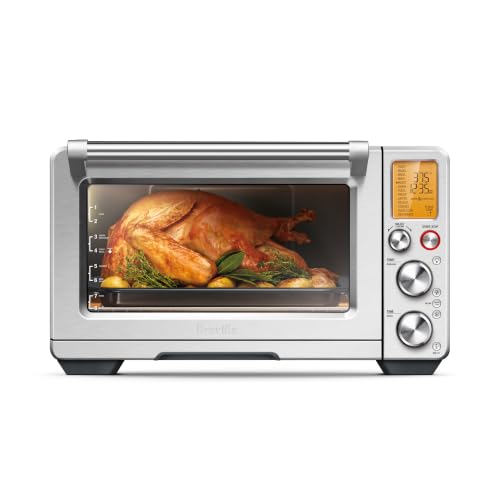
Air Fryer vs Pressure Cooker: Which Kitchen Appliance Should You Choose?
Torn between an air fryer and a pressure cooker? We'll break down the key differences to help you make the right choice for your cooking style and needs.
Quick Answer
Choose an air fryer if you mostly want crispy foods — fries, wings, reheated leftovers — for one to four people: it circulates hot air up to 400°F and uses up to 80% less oil than deep frying. Choose a pressure cooker if you cook one-pot meals, beans, or tough cuts for a bigger household: trapped steam raises the cooking temperature to about 250°F, and according to Instant Brands it cooks up to 70% faster than conventional methods. Can't pick? Combination units like the Ninja Foodi and Instant Pot Duo Crisp do both in one pot — see our best pressure cooker air fryer combo roundup.
The kitchen appliance market offers many options for modern cooks, but two stand out for their versatility and convenience: the air fryer and the pressure cooker. Both promise to revolutionize your cooking experience, but they work in fundamentally different ways and excel in different areas. This comprehensive comparison will help you understand which appliance deserves a spot on your countertop.
Quick Summary: Air Fryer vs Pressure Cooker
Choose an Air Fryer If You:
- Love crispy, fried-style foods
- Want to reduce oil consumption
- Cook for 1-4 people regularly
- Enjoy reheating leftovers perfectly
- Prefer quick, hands-off cooking
Choose a Pressure Cooker If You:
- Cook for larger families
- Love one-pot meals and stews
- Want to cook dried beans and grains quickly
- Prefer tender, fall-apart meats
- Need meal prep efficiency
How They Work: Understanding the Technology
Air Fryer Technology
Air fryers use rapid air circulation technology to create a crispy exterior on foods. A powerful fan circulates superheated air (up to 400°F) around food items, creating a convection effect that mimics deep frying without the oil. This process creates the Maillard reaction, which gives foods their golden-brown color and crispy texture.
Pressure Cooker Technology
Pressure cookers work by trapping steam in a sealed environment, which increases pressure and raises the boiling point of water. This allows food to cook at higher temperatures (up to 250°F) in a moist environment. The pressurized steam breaks down tough fibers in meat and reduces cooking times significantly compared to conventional methods.
Cooking Speed Comparison
| Food Item | Air Fryer Time | Pressure Cooker Time | Conventional Oven/Stovetop |
|---|---|---|---|
| Chicken Wings (1 lb) | 25 minutes | 15 minutes | 45 minutes |
| Whole Chicken (3 lbs) | 60 minutes | 30 minutes | 90 minutes |
| Frozen French Fries | 12 minutes | Not suitable | 25 minutes |
| Rice (1 cup) | Not ideal | 12 minutes | 20 minutes |
| Beef Stew | Not suitable | 35 minutes | 2+ hours |
Food Types and Versatility
What Air Fryers Excel At
- Crispy Foods: French fries, chicken wings, onion rings, breaded items
- Reheating: Pizza, fried foods, pastries maintain crispiness
- Vegetables: Brussels sprouts, cauliflower, asparagus get perfectly roasted
- Proteins: Chicken thighs, pork chops, fish fillets with crispy skin
- Baking: Muffins, cookies, small cakes (in appropriate accessories)
- Frozen Foods: Excellent for cooking frozen convenience items
What Pressure Cookers Excel At
- Tough Cuts of Meat: Chuck roast, pork shoulder become tender quickly
- One-Pot Meals: Stews, casseroles, complete meals with multiple ingredients
- Grains and Legumes: Rice, quinoa, dried beans, lentils cook perfectly
- Soups and Stocks: Rich, flavorful broths in fraction of traditional time
- Meal Prep: Large batches of proteins, grains, and vegetables
- Steaming: Vegetables retain nutrients and vibrant colors
Health Benefits Comparison
Air Fryer Health Benefits
- Reduced Oil: Uses up to 80% less oil than traditional deep frying
- Lower Calories: Crispy foods with significantly fewer calories
- Reduced Acrylamide: Less formation of potentially harmful compounds
- No Trans Fats: Eliminates need for hydrogenated oils
Pressure Cooker Health Benefits
- Nutrient Retention: Higher vitamin and mineral retention than boiling
- No Added Fats: Can cook without any oil if desired
- Whole Food Focus: Encourages cooking with unprocessed ingredients
- Digestibility: Breaks down proteins and makes nutrients more bioavailable
Capacity and Family Size Considerations
Typical Capacity Ranges
Air Fryers
- • 1-2 servings: 1-3 quart capacity
- • 2-4 servings: 3-5 quart capacity
- • 4-6 servings: 5-8 quart capacity
- • 6+ servings: 8+ quart capacity
Pressure Cookers
- • 1-2 servings: 3 quart capacity
- • 2-4 servings: 4-6 quart capacity
- • 4-6 servings: 6-8 quart capacity
- • 6+ servings: 8-10 quart capacity
Cost Analysis: Initial Investment and Running Costs
Initial Purchase Price
Air Fryer Price Ranges
- • Budget models: $30-$60
- • Mid-range options: $60-$150
- • Premium models: $150-$300+
Pressure Cooker Price Ranges
- • Budget models: $40-$80
- • Mid-range options: $80-$180
- • Premium models: $180-$400+
Operating Costs
Both appliances are relatively energy-efficient compared to conventional ovens. Air fryers typically use 1200-1500 watts, while pressure cookers use 1000-1200 watts. However, pressure cookers often have shorter cooking times, potentially making them slightly more energy-efficient for appropriate dishes.
Ease of Use and Learning Curve
Air Fryer Learning Curve
Air fryers are generally more intuitive for beginners. Most models have simple dial or digital controls, and the cooking process is similar to oven baking but faster. Key skills to master include:
- Understanding temperature and time combinations
- Learning when to flip or shake foods
- Avoiding overcrowding the basket
- Adjusting for frozen vs. fresh ingredients
Pressure Cooker Learning Curve
Pressure cookers have a steeper learning curve but offer more cooking versatility once mastered. Important concepts include:
- Understanding pressure release methods (natural vs. quick)
- Learning liquid ratios for different foods
- Timing adjustments for altitude
- Safety procedures and troubleshooting
Maintenance and Cleaning
Air Fryer Maintenance
Air fryers are relatively low-maintenance. Most have dishwasher-safe baskets and trays. Regular cleaning involves:
- Washing basket and drip tray after each use
- Wiping down exterior and interior surfaces
- Occasional deep cleaning of heating element area
- Checking for grease buildup around fan
Pressure Cooker Maintenance
Pressure cookers require more attention to safety components:
- Regular cleaning of sealing ring and valve
- Periodic replacement of sealing ring (annually)
- Checking pressure release valve for clogs
- Inspecting gasket for wear and proper seating
Kitchen Space and Storage
Both appliances require significant counter or storage space, but there are differences to consider:
Air Fryer Space Requirements
- Need several inches of clearance on all sides for ventilation
- Compact models available for small kitchens
- Some models have vertical orientation to save space
- Can be stored in cabinets when not in use
Pressure Cooker Space Requirements
- Tall profile requires adequate cabinet height
- Heavy when full, better suited for counter storage
- Large capacity models take significant space
- Steam release requires clearance above unit
Safety Considerations
Air Fryer Safety
Air fryers are generally safe and user-friendly:
- Hot surfaces require caution when handling
- Proper ventilation prevents overheating
- Some models have automatic shut-off features
- Risk of minor burns from steam when opening
Pressure Cooker Safety
Modern pressure cookers have multiple safety features, but require more respect:
- High pressure and temperature create burn risk
- Proper pressure release is crucial for safety
- Multiple safety locks prevent accidents
- Should never be forced open when under pressure
Best Combination Air Fryer and Pressure Cooker Models
Some manufacturers now offer combination units that provide both air frying and pressure cooking capabilities. These multi-cookers can be an excellent choice if you want both cooking methods but have limited space.
Popular Combination Models to Consider
- • Ninja Foodi series - pioneered the combination concept
- • Instant Pot Duo Crisp - adds air frying to classic pressure cooking
- • Various other multi-cooker options with both functions
Note: Combination units may not perform as well as dedicated single-function appliances in each cooking method. We ranked the six best in our best pressure cooker air fryer combo guide.
Making Your Decision: Which Should You Choose?
The choice between an air fryer and pressure cooker ultimately depends on your cooking style, family size, and food preferences. Here are some scenarios to help guide your decision:
Choose an Air Fryer If:
- You frequently cook for 1-4 people
- You love crispy, fried-style foods but want to eat healthier
- You often reheat leftovers and want them to taste fresh
- You prefer simple, hands-off cooking with minimal cleanup
- You cook a lot of frozen convenience foods
- You want to reduce oil consumption in your diet
Choose a Pressure Cooker If:
- You regularly cook for 4+ people
- You enjoy making soups, stews, and one-pot meals
- You frequently cook dried beans, grains, and tough cuts of meat
- You're interested in meal prep and batch cooking
- You want maximum versatility in cooking methods
- You prioritize speed for traditionally slow-cooking dishes
Consider Both If:
- You have adequate kitchen space and budget
- You cook a wide variety of foods regularly
- Multiple family members have different cooking preferences
- You want to minimize reliance on your main oven
Frequently Asked Questions
Can I use my air fryer as a pressure cooker or vice versa?
No, these appliances use completely different cooking methods and cannot substitute for each other. Air fryers use hot air circulation, while pressure cookers use steam pressure. However, some combination units offer both functions in one appliance.
Which is healthier: air frying or pressure cooking?
Both methods can be very healthy. Air frying reduces oil usage dramatically compared to deep frying, while pressure cooking retains more nutrients than many other cooking methods. The healthiness ultimately depends on the ingredients you use rather than the cooking method itself.
Are combination air fryer/pressure cooker units worth it?
Combination units can be excellent for those with limited space who want both functions. However, dedicated single-function appliances often perform better at their specific tasks. Consider your priorities: space savings vs. optimal performance.
Which appliance saves more time overall?
This depends on what you're cooking. Air fryers are faster for crispy foods and reheating. Pressure cookers excel at dramatically reducing cooking times for traditionally slow dishes like stews, tough meats, and dried beans. Both can save significant time compared to conventional cooking methods.
Do I need special accessories for either appliance?
Basic cooking doesn't require extra accessories, but both appliances benefit from additional tools. Air fryers can use parchment paper, silicone molds, and racks. Pressure cookers benefit from steamer baskets, trivets, and additional inner pots. Most essential accessories are relatively inexpensive.
Which has lower operating costs?
Both appliances are energy-efficient compared to conventional ovens. Pressure cookers may have a slight edge due to shorter cooking times for appropriate dishes, but the difference in electricity costs is minimal for most households. The bigger savings come from reduced food waste and the ability to cook cheaper cuts of meat effectively.
Final Recommendations
Both air fryers and pressure cookers can transform your cooking experience, but they serve different purposes. If you're forced to choose just one, consider your current cooking habits and what you hope to improve.
For most households that prioritize healthy, crispy foods and simple operation, an air fryer provides immediate satisfaction and ease of use. For families focused on efficient meal prep, one-pot cooking, and working with tougher ingredients, a pressure cooker offers unmatched versatility.
Remember that neither appliance will completely replace conventional cooking methods, but both can significantly enhance your kitchen capabilities. Whichever you choose, you'll likely find yourself reaching for it more often than you initially expected.