Air Fryer vs Regular Oven: Complete Comparison Guide 2024
Thinking about getting an air fryer but wondering if it's worth it when you already have a perfectly good oven? You're not alone. This comprehensive comparison breaks down the key differences between air fryers and regular ovens to help you decide which cooking method is right for your kitchen needs.
Quick Comparison: Air Fryer vs Regular Oven
| Feature | Air Fryer | Regular Oven |
|---|---|---|
| Cooking Speed | ✅ 25-50% faster | ❌ Slower heating |
| Energy Efficiency | ✅ Uses 50-75% less energy | ❌ Higher energy consumption |
| Crispiness | ✅ Excellent for crispy foods | ⚠️ Good but requires more time |
| Capacity | ❌ Limited space | ✅ Large capacity |
| Versatility | ⚠️ Good for most foods | ✅ Can handle anything |
| Preheating | ✅ 2-3 minutes | ❌ 10-15 minutes |
| Counter Space | ❌ Takes up space | ✅ Built-in or wall-mounted |
Cooking Speed: Air Fryer Takes the Lead
One of the most significant advantages of air fryers is their impressive cooking speed. Thanks to their compact design and powerful circulation fans, air fryers can cook food 25-50% faster than conventional ovens.
Why Air Fryers Cook Faster
- Rapid air circulation: High-speed fans circulate hot air at up to 400°F around food
- Compact cooking chamber: Smaller space means faster heat distribution
- No preheating wait: Most air fryers reach cooking temperature in 2-3 minutes
- Direct heat contact: Hot air directly touches all food surfaces simultaneously
Real-World Cooking Time Comparison
Chicken Wings (1 lb)
Air Fryer: 12-15 minutes
Regular Oven: 25-30 minutes
French Fries (Frozen)
Air Fryer: 10-12 minutes
Regular Oven: 20-25 minutes
Salmon Fillet
Air Fryer: 7-10 minutes
Regular Oven: 12-15 minutes
Energy Efficiency: Air Fryers Win Big
If you're conscious about your electricity bill, air fryers offer significant energy savings. Most air fryers use between 800-1500 watts, while conventional ovens typically consume 2400-5000 watts.
Energy Consumption Breakdown
- Air Fryer: 1.2 kWh per hour of cooking
- Regular Oven: 3.0 kWh per hour of cooking
- Annual savings: $150-300 depending on usage
The combination of lower wattage and faster cooking times means air fryers can reduce your cooking-related energy consumption by 50-75% for many common foods.
Food Quality: Different Strengths for Different Foods
Where Air Fryers Excel
Air fryers truly shine when it comes to creating crispy, golden textures that rival deep-frying results:
- Crispy vegetables: Brussels sprouts, cauliflower, broccoli
- Protein with crispy skin: Chicken thighs, salmon with crispy skin
- Frozen foods: French fries, chicken nuggets, fish sticks
- Reheating leftovers: Restores crispiness better than microwaves
- Small batch cooking: Perfect portions for 1-4 people
Where Regular Ovens Win
Traditional ovens remain superior for certain types of cooking:
- Large roasts: Whole chickens, turkey, large cuts of meat
- Baking: Cakes, cookies, bread (especially large batches)
- Slow cooking: Braised dishes that benefit from gentle, even heat
- Multiple dishes: Cooking several items simultaneously
- Delicate items: Custards, soufflés requiring precise temperature control
Capacity Considerations
Air Fryer Limitations
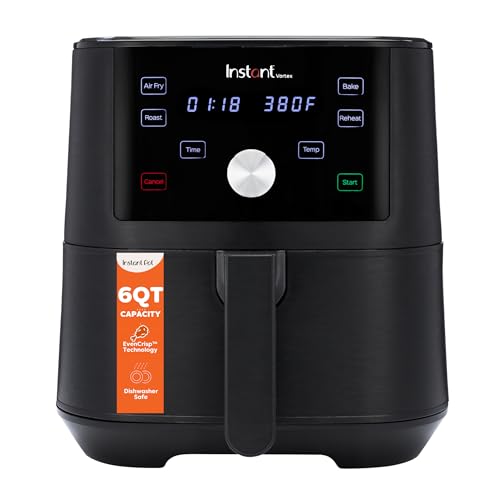
Most home air fryers have a capacity between 2-8 quarts, which translates to:
- 2-3 quarts: 1-2 people
- 4-5 quarts: 3-4 people
- 6-8 quarts: 4-6 people
Regular Oven Advantages
Standard ovens offer significantly more cooking space:
- Multiple racks: Cook several dishes at once
- Large capacity: Accommodate big roasts, multiple sheet pans
- Flexible sizing: Handle everything from cookies to thanksgiving turkey
Best Air Fryers for Oven Replacement
If you're considering an air fryer as a primary cooking appliance, these models offer the best oven-like capabilities:
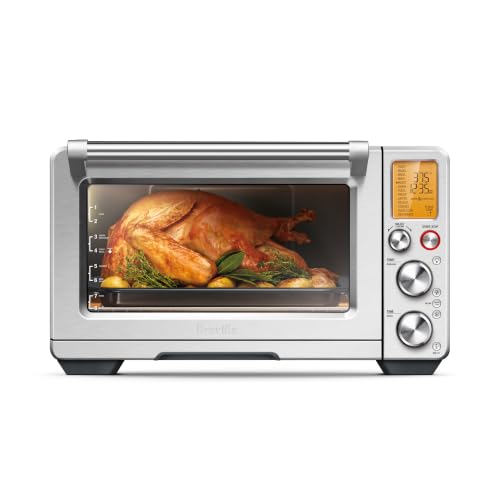
🏆 Best Overall: Breville Smart Oven Air Fryer Pro
Large Capacity: Can fit a 14-lb turkey
13 Functions: Air fry, bake, roast, dehydrate, and more
Precise Controls: Digital display with exact temperature settings
Check Price on Amazon →💰 Best Value: Ninja Foodi XL Pro Air Oven
Large Capacity: 10" x 13" cooking area
8 Functions: Air fry, air roast, bake, and more
True Surround Convection: Even cooking on multiple levels
Check Price on Amazon →🏠 Best for Large Families: Cuisinart TOA-65 AirFryer Toaster Oven
Spacious Interior: 0.6 cubic foot capacity
7 Functions: Perfect for daily cooking needs
Affordable: Great performance without premium price
Check Price on Amazon →Cost Analysis: Initial Investment vs Long-term Savings
Initial Costs
- Basic Air Fryer: $50-150
- High-end Air Fryer Oven: $200-400
- Regular Oven Replacement: $500-3000+
Annual Operating Costs
Based on average daily use (1 hour), here's what you can expect:
- Air Fryer: $120-180 in electricity
- Regular Oven: $300-450 in electricity
- Annual Savings: $150-300 with air fryer
Maintenance and Cleaning
Air Fryer Maintenance
- Easy cleanup: Non-stick baskets are dishwasher safe
- Quick maintenance: Wipe exterior, wash basket after each use
- No self-cleaning cycle: Manual cleaning only
- Compact size: Easy to store when not in use
Regular Oven Maintenance
- Self-cleaning option: High-heat cleaning cycle available
- Larger surfaces: More area to clean
- Harder to reach areas: Back walls, racks require more effort
- Built-in convenience: No storage needed
Health Considerations
Air Fryer Health Benefits
- Less oil needed: Can reduce fat content by 70-80%
- Faster cooking: Retains more nutrients in vegetables
- No preheating emissions: Less kitchen heat in summer
- Reduced acrylamide: Lower formation of harmful compounds
Regular Oven Considerations
- Traditional cooking methods: Time-tested results
- No size limitations: Better for meal prep and batch cooking
- Even heat distribution: Consistent results for large items
When to Choose Air Fryer
An air fryer is the better choice if you:
- Cook for 1-4 people regularly
- Want faster cooking times for weeknight meals
- Prioritize crispy textures (wings, fries, vegetables)
- Want to reduce energy costs
- Have limited oven space or a broken oven
- Cook a lot of frozen convenience foods
- Want healthier versions of traditionally fried foods
When to Stick with Regular Oven
Your regular oven remains the better choice if you:
- Cook for large families (6+ people) regularly
- Do a lot of baking (cakes, bread, pastries)
- Need to cook multiple dishes simultaneously
- Regularly prepare large roasts or whole poultry
- Have very limited counter space
- Prefer one-appliance simplicity
- Do extensive meal prep or batch cooking
The Ideal Solution: Using Both Together
Many home cooks find that air fryers and regular ovens complement each other perfectly:
Smart Kitchen Strategy
- Daily cooking: Use air fryer for quick meals and single portions
- Weekend cooking: Use oven for large batches and meal prep
- Holiday cooking: Oven for main dishes, air fryer for sides
- Summer cooking: Air fryer to avoid heating up the kitchen
Frequently Asked Questions
Can an air fryer completely replace my oven?
For many single people and couples, yes. Air fryer ovens with larger capacities can handle most daily cooking needs. However, families or those who bake frequently will likely need both.
Do air fryers use more electricity than ovens?
No, air fryers use significantly less electricity. They consume 50-75% less energy than conventional ovens due to their lower wattage and faster cooking times.
Is food from air fryers as good as oven-cooked food?
For crispy foods, air fryers often produce superior results. For baking and slow-cooking, ovens typically perform better. The "best" depends on what you're cooking.
How much counter space do air fryers need?
Standard air fryers need about 12"x12" of counter space, while air fryer ovens require 18"x15" or more. Always check clearance requirements for proper ventilation.
Are air fryers worth it if I already have a convection oven?
Yes, if you value speed and energy efficiency. Air fryers still cook 25-30% faster than convection ovens and use less energy for small to medium portions.
Final Verdict
The air fryer vs regular oven debate doesn't have to be an either-or decision. Air fryers excel at fast, crispy cooking for small to medium portions while using less energy. Regular ovens remain unbeatable for large-capacity cooking, baking, and versatility.
For most households, the ideal solution is having both: use your air fryer for daily cooking needs and your regular oven for larger meals, baking projects, and holiday cooking. This combination gives you the speed and efficiency of air frying with the capacity and versatility of traditional ovens.
If you must choose only one, consider your cooking habits, household size, and priorities. Small households who prioritize speed and energy efficiency should lean toward a larger air fryer oven, while large families and avid bakers should stick with their regular oven as the primary cooking method.