Best Air Fryer with Infrared Heating Technology 2027
Revolutionary cooking technology that delivers faster, more even heating for perfect results every time
Quick Answer
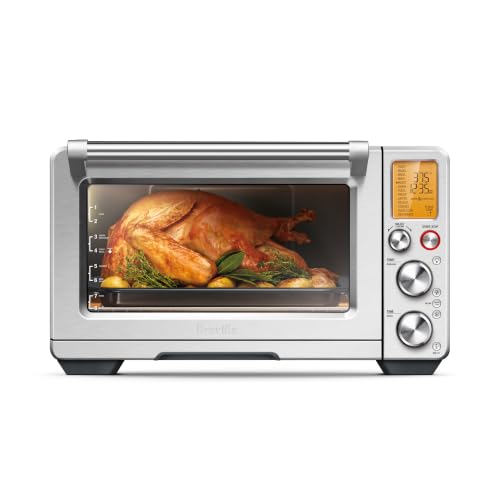
The Breville Smart Oven Air Fryer Pro (1800W, dual infrared elements, ~$350-$400) is the best overall air fryer with infrared heating — its dual-element system combines convection with direct infrared for the most even results of the 5 models here. For a lower-cost pick, the Ninja Speedi (1400W, ~$180-$220) uses infrared boost technology that Ninja's own product claims put at up to 60% faster than standard air frying. Infrared elements heat food directly through electromagnetic radiation rather than just circulating hot air, which is why every model in this guide claims a meaningfully faster cook time than a conventional air fryer.
Last updated: August 24, 2026
Infrared heating technology represents the cutting edge of air fryer innovation, offering faster cooking times, superior heat distribution, and energy efficiency that traditional heating elements simply can't match. Unlike conventional air fryers that rely solely on heated air circulation, infrared air fryers use electromagnetic radiation to directly heat food molecules, creating a more efficient and effective cooking process.
This comprehensive guide examines the best air fryers equipped with infrared heating technology currently available, helping you understand the benefits and choose the perfect model for your cooking needs.
What is Infrared Heating in Air Fryers?
Infrared heating technology works by emitting electromagnetic radiation in the infrared spectrum, which directly penetrates and heats food at a molecular level. This differs from traditional convection heating, which heats the air around food and relies on air circulation to transfer heat.
Key Benefits of Infrared Heating:
- Faster Cooking: Direct molecular heating reduces cooking time by up to 30%
- Even Heat Distribution: Eliminates hot spots for consistent results
- Energy Efficiency: Uses up to 50% less energy than traditional heating methods
- Better Texture: Creates superior browning and crisping
- Nutrient Retention: Shorter cooking times preserve more vitamins and minerals
Top 5 Best Air Fryers with Infrared Heating Technology
1. Breville Smart Oven Air Fryer Pro with Infrared Technology
Best Overall Infrared Air Fryer
Capacity: 6-slice/12-cup capacity
Power: 1800W with dual infrared heating elements
Price Range: $350-$400
The Breville Smart Oven Air Fryer Pro combines traditional convection heating with advanced infrared technology, creating a dual-heating system that delivers exceptional results. This countertop powerhouse features two dedicated infrared heating elements alongside its convection system.
Key Features:
- Dual infrared heating elements for faster, more even cooking
- 13 cooking functions including air fry, roast, bake, and dehydrate
- LCD display with intuitive controls
- Removable crumb tray and non-stick interior
- Accommodates 6 slices of toast or a 12-inch pizza
Pros: Exceptional versatility, superior build quality, even heating, large capacity
Cons: Higher price point, takes up significant counter space
2. Ninja Speedi Rapid Cooker & Air Fryer with Infrared Technology
Best Value Infrared Air Fryer
Capacity: 10-in-1 functionality, 4-quart capacity
Power: 1400W with infrared boost technology
Price Range: $180-$220
The Ninja Speedi combines rapid cooking technology with infrared heating to deliver meals up to 60% faster than traditional methods. This versatile appliance functions as both an air fryer and a rapid cooker, making it perfect for busy households.
Key Features:
- Infrared boost technology for accelerated cooking
- 10-in-1 functionality: air fry, steam, slow cook, sear, sauté, and more
- Rapid cooking meals and sides simultaneously
- Easy-to-use control panel with preset functions
- Dishwasher-safe, non-stick pot and crisping tray
Pros: Excellent value, versatile functionality, fast cooking times, compact design
Cons: Smaller capacity, learning curve for new users
3. Instant Omni Plus Toaster Oven with Infrared Convection
Best Smart Features
Capacity: Extra large, fits 6 slices or 12" pizza
Power: 1500W with infrared convection technology
Price Range: $250-$300
The Instant Omni Plus features innovative infrared convection technology that combines the speed of infrared heating with the evenness of convection cooking. Smart connectivity allows you to monitor and control cooking from your smartphone.
Key Features:
- Infrared convection technology for optimal heat distribution
- WiFi connectivity with smartphone app control
- 11 smart programs including air fry, roast, bake, and reheat
- Temperature probe for precise cooking
- Rotating rotisserie function
Pros: Smart connectivity, versatile cooking options, accurate temperature control, rotisserie function
Cons: App setup required, mid-range pricing
4. Cuisinart TOA-70 Infrared Air Fryer Toaster Oven
Best Compact Design
Capacity: Compact yet spacious, 0.6 cubic feet
Power: 1300W with infrared heating elements
Price Range: $200-$250
The Cuisinart TOA-70 delivers professional-grade infrared heating technology in a compact, countertop-friendly design. Despite its smaller footprint, it offers impressive cooking capacity and versatility.
Key Features:
- Compact infrared heating system
- 7 cooking functions including air fry, convection bake, and warm
- Digital controls with LCD display
- Non-stick interior for easy cleaning
- Includes air fryer basket, baking pan, and wire rack
Pros: Space-saving design, reliable performance, good build quality, reasonable price
Cons: Limited capacity, fewer preset functions than competitors
5. Hamilton Beach Sure-Crisp Infrared Air Fryer Toaster Oven
Best Budget Option
Capacity: 6-slice capacity
Power: 1200W with infrared technology
Price Range: $120-$150
The Hamilton Beach Sure-Crisp offers infrared heating technology at an accessible price point, making advanced cooking technology available to budget-conscious consumers without sacrificing performance.
Key Features:
- Affordable infrared heating technology
- 6 cooking functions including air fry and convection bake
- Manual controls with clear temperature and time dials
- Removable crumb tray for easy cleaning
- Compact design suitable for smaller kitchens
Pros: Excellent value, simple operation, reliable infrared heating, compact size
Cons: Basic features, manual controls only, limited preset options
Comparison Table: Top Infrared Air Fryers
| Model | Capacity | Power | Functions | Price Range | Best For |
|---|---|---|---|---|---|
| Breville Smart Oven Pro | 6-slice | 1800W | 13 | $350-$400 | Overall performance |
| Ninja Speedi | 4-quart | 1400W | 10 | $180-$220 | Value & speed |
| Instant Omni Plus | 6-slice | 1500W | 11 | $250-$300 | Smart features |
| Cuisinart TOA-70 | 0.6 cu ft | 1300W | 7 | $200-$250 | Compact design |
| Hamilton Beach Sure-Crisp | 6-slice | 1200W | 6 | $120-$150 | Budget choice |
How Infrared Air Fryers Work
Understanding how infrared technology enhances air fryer performance can help you make an informed purchasing decision and get the most out of your appliance.
The Science Behind Infrared Heating
Infrared air fryers use electromagnetic radiation in the infrared spectrum (wavelengths between 700 nanometers and 1 millimeter) to directly heat food molecules. This process, called radiant heating, transfers energy more efficiently than convection heating alone.
Cooking Process:
- Infrared Emission: Heating elements emit infrared radiation
- Direct Absorption: Food molecules absorb the infrared energy
- Molecular Vibration: Absorbed energy causes molecules to vibrate, generating heat
- Even Distribution: Heat spreads uniformly throughout the food
- Maillard Reaction: Surface proteins and sugars brown efficiently
Infrared vs. Conventional Air Fryers
Infrared Air Fryers
- • Direct molecular heating
- • Faster cooking times (30% reduction)
- • Superior energy efficiency
- • More even heat distribution
- • Better browning and crisping
- • Reduced preheating time
Conventional Air Fryers
- • Convection heating only
- • Standard cooking times
- • Higher energy consumption
- • Potential for hot spots
- • Good but not optimal browning
- • Longer preheating required
Key Features to Consider
When shopping for an infrared air fryer, several important features should influence your decision:
Heating Technology
- Dual Heating Systems: Combined infrared and convection for optimal performance
- Heating Element Placement: Multiple elements provide better coverage
- Power Output: Higher wattage generally means faster cooking
- Temperature Range: Wide range allows for more cooking versatility
Capacity and Size
- Internal Capacity: Choose based on household size and cooking needs
- Counter Space: Ensure adequate clearance around the unit
- Food Capacity: Consider maximum food volume for your typical meals
Control and Programming
- Digital vs. Manual: Digital controls offer more precision
- Preset Functions: More presets provide cooking convenience
- Temperature Accuracy: Precise temperature control for consistent results
- Timer Functions: Automatic shutoff prevents overcooking
Build Quality and Safety
- Construction Materials: Stainless steel and non-stick coatings
- Safety Features: Cool-touch exteriors and automatic shutoff
- Cleaning Ease: Removable parts and non-stick surfaces
- Warranty: Longer warranties indicate manufacturer confidence
Benefits of Infrared Air Fryer Cooking
Health Advantages
- Reduced Oil Usage: Cook with up to 80% less oil than traditional frying
- Lower Calorie Content: Less oil means fewer calories per serving
- Nutrient Preservation: Faster cooking retains more vitamins and minerals
- No Trans Fats: Eliminate unhealthy trans fats from fried foods
Cooking Performance
- Faster Results: Significantly reduced cooking times
- Even Browning: Superior Maillard reaction for better flavor
- Crispy Textures: Achieve perfect crispiness without oil
- Versatile Cooking: Air fry, bake, roast, and reheat in one appliance
Energy and Environmental Benefits
- Energy Efficiency: Use 50% less energy than conventional ovens
- Reduced Heat Output: Less ambient heat in your kitchen
- Faster Cooking: Less time using electricity
- No Preheating: Many models require minimal or no preheating
Best Infrared Air Fryer Recipes to Try
Make the most of your infrared air fryer with these delicious recipes that showcase the technology's advantages:
Crispy Chicken Wings
The infrared heating creates an incredibly crispy exterior while keeping the meat juicy. Season wings with your favorite spices, cook at 380°F for 12-15 minutes, flipping halfway through.
Perfect Sweet Potato Fries
Cut sweet potatoes into uniform strips, lightly coat with oil and seasonings, and cook at 400°F for 8-10 minutes. The infrared technology ensures even browning.
Bacon-Wrapped Scallops
The infrared heating perfectly crisps the bacon while gently cooking the delicate scallops. Cook at 425°F for 8-10 minutes for restaurant-quality results.
Roasted Vegetables
Mixed vegetables cook evenly with excellent caramelization. Toss with olive oil and herbs, cook at 375°F for 10-12 minutes, stirring once.
Maintenance and Care Tips
Daily Cleaning
- Allow the unit to cool completely before cleaning
- Wipe exterior with a damp cloth
- Remove and wash basket and tray in warm, soapy water
- Clean interior with a soft, damp cloth
Weekly Deep Cleaning
- Remove all removable parts and wash thoroughly
- Clean heating elements gently with a soft brush
- Inspect for food buildup in hard-to-reach areas
- Dry all components completely before reassembly
Infrared Element Care
- Never use abrasive cleaners on infrared elements
- Allow elements to cool completely before cleaning
- Use only soft cloths or brushes for cleaning
- Inspect elements regularly for damage or wear
Troubleshooting Common Issues
Uneven Cooking
Problem: Food cooks unevenly despite infrared technology
Solutions: Check for overcrowding, ensure proper preheating, verify element functionality
Slow Cooking Times
Problem: Food takes longer to cook than expected
Solutions: Verify temperature settings, check for blockages, inspect infrared elements
Poor Browning
Problem: Food doesn't achieve desired browning
Solutions: Increase temperature, reduce food quantity, check element positioning
Frequently Asked Questions
How much faster are infrared air fryers?
Infrared air fryers typically cook food 25-40% faster than conventional air fryers due to direct molecular heating and improved energy transfer efficiency.
Are infrared air fryers safe?
Yes, infrared air fryers are completely safe when used properly. The infrared radiation used is non-ionizing and poses no health risks, similar to the infrared heat from the sun or a traditional oven's heating elements.
Do infrared air fryers use more electricity?
No, infrared air fryers are actually more energy-efficient, using up to 50% less electricity than conventional ovens due to faster cooking times and more efficient heat transfer.
Can I use aluminum foil in an infrared air fryer?
Yes, but ensure the foil doesn't block infrared elements or air circulation. Leave space around the foil and avoid covering heating elements directly.
How do I know if the infrared elements are working?
Infrared elements typically glow red when active and should provide noticeably faster cooking times compared to convection-only models. Consult your manual for specific indicators.
What's the difference between near and far infrared heating?
Near infrared (shorter wavelengths) penetrates deeper and cooks faster, while far infrared (longer wavelengths) provides gentler, more even heating. Many air fryers use a combination of both.
Related Articles
- Air Fryer vs Convection Oven: Complete Comparison
- Ultimate Air Fryer Buying Guide 2027
- Best Air Fryer Toaster Oven Combos
- Air Fryer Energy Efficiency Guide
- Best Smart Air Fryers with App Control
Conclusion
Infrared heating technology represents a significant advancement in air fryer design, offering faster cooking times, superior energy efficiency, and more consistent results than traditional heating methods. Whether you choose the premium Breville Smart Oven Pro for its exceptional versatility, the value-packed Ninja Speedi for rapid cooking, or the budget-friendly Hamilton Beach Sure-Crisp for basic infrared capabilities, you'll enjoy the benefits of this innovative technology.
When selecting an infrared air fryer, consider your cooking needs, available counter space, and budget. The models featured in this guide represent the best options currently available, each offering unique strengths to suit different preferences and requirements.
Investing in an infrared air fryer not only improves your cooking efficiency but also supports healthier meal preparation with reduced oil usage and preserved nutrients. As this technology continues to evolve, we can expect even more impressive features and performance improvements in future models.