Air Fryer Safe Temperature Guide: Complete Food Safety Chart & Tips
Cooking at the right temperature is crucial for food safety and optimal taste. This comprehensive guide covers safe air fryer temperatures for all types of food, plus essential food safety tips every air fryer owner should know.
Food safety is paramount when using any cooking method, and air frying is no exception. While air fryers cook food faster than traditional ovens, achieving proper internal temperatures is essential to eliminate harmful bacteria and ensure your meals are both safe and delicious.
After extensive testing and research, I've compiled this comprehensive temperature guide that covers every food type you're likely to cook in your air fryer, along with critical safety tips to keep your family healthy.
⚠️ Critical Food Safety Rule
Always use a food thermometer to verify internal temperatures. Visual cues alone are not reliable indicators of food safety, especially with air-fried foods that can brown quickly on the outside.
Essential Safe Temperature Chart
Here are the USDA-recommended minimum internal temperatures for different foods when air frying:
| Food Type | Safe Internal Temp | Rest Time |
|---|---|---|
| Ground Beef, Pork, Lamb | 160°F (71°C) | None required |
| Ground Turkey, Chicken | 165°F (74°C) | None required |
| Whole Chicken/Turkey | 165°F (74°C) | None required |
| Chicken Breasts, Thighs | 165°F (74°C) | None required |
| Beef Steaks (medium-rare) | 145°F (63°C) | 3 minutes |
| Pork Chops, Roasts | 145°F (63°C) | 3 minutes |
| Fish & Shellfish | 145°F (63°C) | None required |
| Egg Dishes | 160°F (71°C) | None required |
| Leftovers & Casseroles | 165°F (74°C) | None required |
Air Fryer Temperature Settings by Food Type
While internal temperature determines safety, the air fryer cooking temperature affects texture and cooking time. Here's what works best:
Poultry (Set Air Fryer to 375°F - 400°F)
- Chicken breasts: Cook at 375°F for 20-25 minutes until internal temp reaches 165°F
- Chicken thighs: Cook at 400°F for 18-22 minutes until internal temp reaches 165°F
- Chicken wings: Cook at 400°F for 25-30 minutes until internal temp reaches 165°F
- Ground chicken/turkey: Cook at 375°F until internal temp reaches 165°F
Beef & Lamb (Set Air Fryer to 400°F - 425°F)
- Steaks: Cook at 400°F, time varies by thickness and desired doneness
- Ground beef: Cook at 375°F until internal temp reaches 160°F
- Roasts: Start at 425°F for 15 minutes, then reduce to 350°F
- Burgers: Cook at 375°F for 15-18 minutes until internal temp reaches 160°F
Pork (Set Air Fryer to 350°F - 400°F)
- Pork chops: Cook at 375°F for 15-20 minutes until internal temp reaches 145°F
- Pork tenderloin: Cook at 400°F for 20-25 minutes until internal temp reaches 145°F
- Bacon: Cook at 350°F for 8-12 minutes (no specific internal temp needed)
- Sausages: Cook at 375°F until internal temp reaches 160°F
Seafood (Set Air Fryer to 350°F - 400°F)
- Fish fillets: Cook at 400°F for 10-15 minutes until internal temp reaches 145°F
- Shrimp: Cook at 375°F for 5-8 minutes until internal temp reaches 145°F
- Scallops: Cook at 400°F for 8-10 minutes until internal temp reaches 145°F
- Crab cakes: Cook at 375°F for 12-15 minutes until internal temp reaches 145°F
Essential Food Safety Tips for Air Frying
1. Always Use a Food Thermometer
This cannot be overstated. Air fryers cook food quickly and can brown the exterior while the interior remains undercooked. A reliable instant-read thermometer is your best defense against foodborne illness.
Recommended Thermometers for Air Frying:
- Instant-read digital thermometers for quick checks
- Probe thermometers that can stay in food during cooking
- Infrared thermometers for surface temperature checks
2. Proper Food Handling Before Cooking
- Thaw frozen foods completely before air frying for even cooking
- Marinate foods in the refrigerator, never at room temperature
- Wash hands thoroughly before and after handling raw meat
- Use separate cutting boards for raw meat and other ingredients
- Don't reuse marinades that have contacted raw meat without boiling first
3. Don't Overcrowd the Basket
Overcrowding prevents proper air circulation, leading to uneven cooking and potentially unsafe internal temperatures. Cook in batches if necessary to ensure all food reaches safe temperatures.
4. Let Food Rest When Required
Some foods, like steaks and pork chops, need a 3-minute rest period after reaching their safe temperature. This allows the temperature to equalize throughout the meat.
Common Air Fryer Temperature Mistakes
Mistake #1: Cooking Too Hot, Too Fast
Many people set their air fryer to maximum temperature thinking it will cook faster. This often results in burnt exteriors and raw interiors. Follow recommended cooking temperatures for best results.
Mistake #2: Not Preheating
Unlike ovens, air fryers heat up quickly, but preheating for 2-3 minutes ensures more consistent cooking temperatures from the start.
Mistake #3: Ignoring Carryover Cooking
Food continues cooking even after you remove it from the air fryer. For foods requiring rest periods, this carryover cooking helps reach the final safe temperature.
Mistake #4: Relying Only on Time
Cooking times are guidelines, but thickness, starting temperature, and even altitude can affect actual cooking time. Always verify with a thermometer.
Special Considerations for Different Air Fryer Types
Basket-Style Air Fryers
These typically run hotter than indicated and may cook faster. Start checking temperatures 2-3 minutes before the suggested cooking time.
Oven-Style Air Fryers
These tend to be more accurate with temperature control and cook more evenly. They're excellent for larger items that need consistent heating.
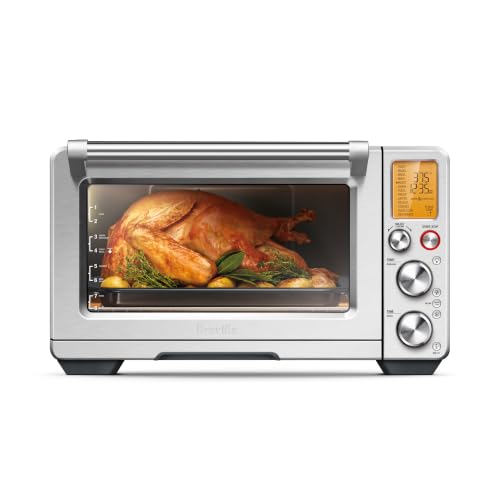
Convection Toaster Ovens with Air Fry Function
These often require slightly longer cooking times but provide very even results. Temperature control is usually very accurate.
Temperature Guide for Reheating Leftovers
Air fryers are excellent for reheating, but food safety rules still apply:
- All leftovers: Must reach 165°F internal temperature
- Pizza: Heat at 350°F until cheese bubbles and internal temp reaches 165°F
- Fried foods: Reheat at 350°F until crispy and 165°F internal temperature
- Casseroles: Cover with foil, heat at 325°F until 165°F throughout
💡 Pro Tip for Reheating
Add a few drops of water to dried-out leftovers before reheating. The steam helps heat more evenly and prevents further moisture loss.
What to Do if You're Not Sure
When in doubt, always err on the side of caution:
- Cook to the higher recommended temperature
- Use a thermometer in the thickest part of the food
- When cooking multiple pieces, check the largest/thickest one
- If you don't have a thermometer, cook longer rather than shorter
- Don't rely on color alone – properly cooked food isn't always brown
Essential Air Fryer Safety Equipment
Beyond a good thermometer, these tools help ensure safe air frying:
Must-Have Safety Tools:
- Digital meat thermometer – Essential for food safety
- Long-handled tongs – Keep hands away from hot surfaces
- Air fryer basket liners – Prevent sticking and make cleanup easier
- Heat-resistant gloves – Protect from burns when handling hot baskets
Frequently Asked Questions
Q: Can I cook frozen meat directly in the air fryer?
A: While possible, it's not recommended for food safety. Frozen meat can cook unevenly, creating cold spots where bacteria can survive. Thaw completely for best results.
Q: How accurate are air fryer temperature displays?
A: Most air fryers are within 10-25°F of the displayed temperature. Basket-style units often run hotter, while oven-style units are typically more accurate.
Q: Is it safe to open the air fryer during cooking?
A: Yes, it's safe and often necessary to check doneness or shake foods. Just be aware that opening the basket releases heat and may require additional cooking time.
Q: Can I use a regular oven thermometer in an air fryer?
A: Yes, but make sure it's rated for the temperatures you'll be using and won't interfere with air circulation.
Q: What if my air fryer doesn't go low enough for recommended temperatures?
A: Use the lowest setting available and monitor cooking times carefully. You may need to cook longer at the higher temperature to achieve safe internal temps.
Final Thoughts
Air fryer cooking is both convenient and delicious when done safely. The key is understanding that while air fryers cook faster than conventional ovens, the same food safety principles apply. Always prioritize reaching safe internal temperatures over appearance or cooking times.
Invest in a quality thermometer, follow the temperature guidelines in this article, and don't rush the cooking process. Your family's safety is worth the extra few minutes to ensure food is properly cooked.
For more air fryer safety tips and cooking guides, check out our comprehensive air fryer safety guide and complete cooking time chart.
🍳 Happy Air Frying!
Remember: When it comes to food safety, it's better to overcook slightly than to undercook. A few extra minutes in the air fryer is a small price to pay for peace of mind.